
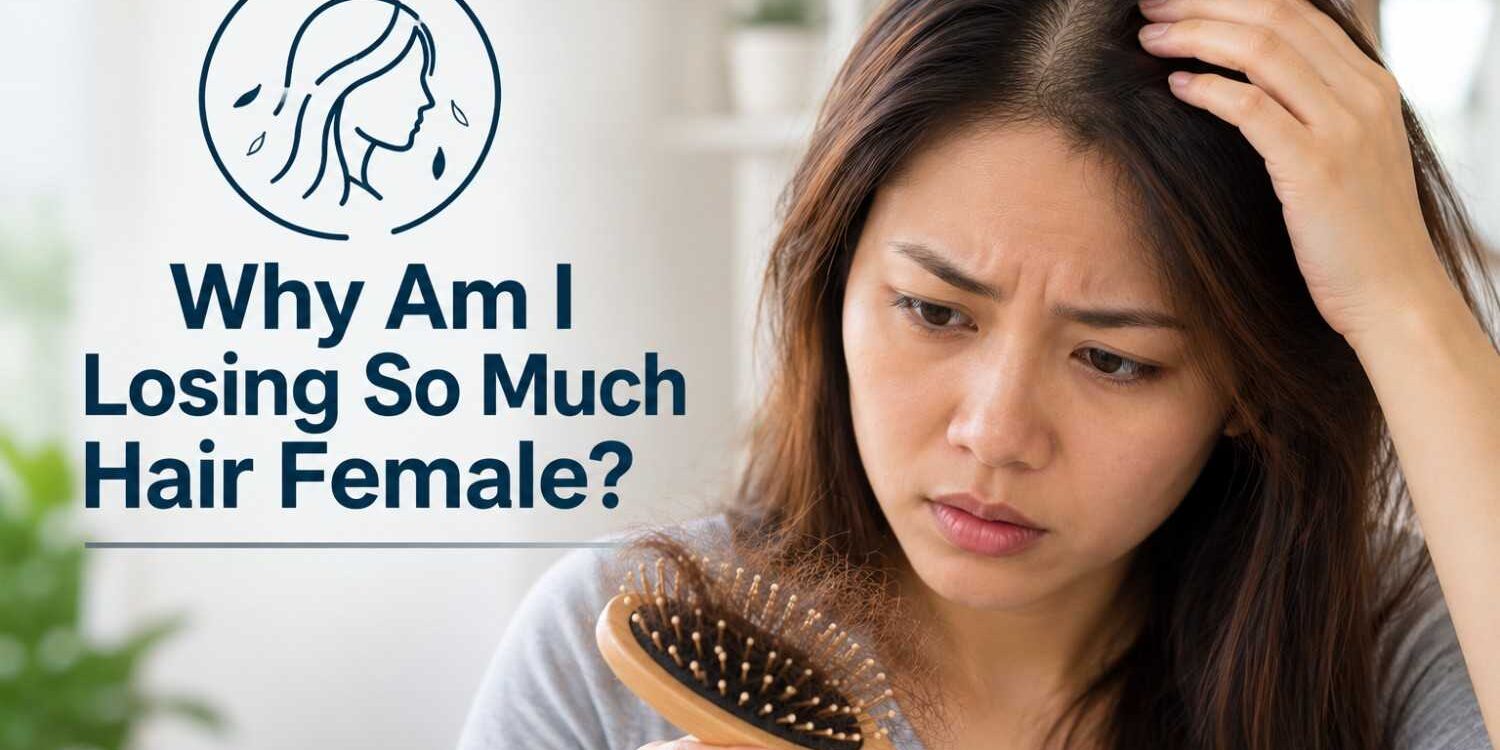
Many women ask, why am I losing so much hair female, when they see more strands on their pillow, brush, or shower drain. Hair shedding can feel scary, but it can happen for many reasons. Hormone changes, stress, illness, low iron, poor diet, genetics, or tight hairstyles may play a role.
If the shedding keeps getting worse, it may be time to seek help. Maxim Hair Restoration – Philippines offers care options for women who want to understand hair loss and learn about hair transplant in the Philippines.
Why Am I Losing So Much Hair Female? Common Reasons to Know
Many women ask, why am I losing so much hair female, when they see more hair on their brush, pillow, or shower floor. Some shedding is normal. But heavy or sudden hair loss may point to a deeper cause. Hair loss can happen for many reasons. Some causes are short-term. Others need care from a doctor or hair loss expert.
Hormone changes
Hormones can affect how your hair grows. Changes from periods, pregnancy, birth control, menopause, thyroid issues, or PCOS may cause shedding. These changes can push more hair into the resting stage. When this happens, hair may fall out more than usual. Teen girls may also ask, why am I losing so much hair female at 16. At this age, hormones, stress, diet, and scalp problems can all play a role.
Stress and illness
Stress can affect the whole body, including your hair. High stress, fever, surgery, infection, or rapid weight loss may lead to sudden shedding. This type of hair loss may start weeks after the trigger. You may not connect the hair loss right away. That is why it helps to review recent health changes.
Diet and low nutrients
Your hair needs nutrients to stay strong. Low iron, vitamin D, zinc, protein, or other nutrients may weaken hair growth. Crash diets may also cause shedding. Some people look for support like Maxim hair vitamin, but it is best to ask a specialist first. A blood test can help show what your body needs.
Genetics and family history
Hair loss can run in families. Female pattern hair loss often starts with thinning on the top of the scalp. The part may look wider over time. This type of hair loss is usually slow and gradual.
Styling and scalp issues
Tight ponytails, braids, extensions, heat tools, bleach, and harsh treatments can damage hair. They may cause breakage or pull hair from the roots. Scalp issues can also cause hair loss. Watch for itching, flakes, redness, pain, or round bald spots.
You may also ask, why am I losing so much hair in the shower female. Washing can make loose hairs easier to see. But if shedding is heavy, ongoing, or patchy, get checked. Before asking about hair transplant cost, learn the cause first. The right care depends on the reason for your hair loss.
How Much Hair Shedding Is Normal for Women?
It is normal to lose some hair each day. Most women shed about 50 to 100 hairs daily. This can happen when you brush, wash, style, or touch your hair. You may ask, why am I losing so much hair female, when you see hair on your clothes or pillow. Try not to panic right away. Hair grows in cycles, so some strands fall out while new ones grow.
Shedding may look worse if you have long hair. A few long strands can look like a large amount. It may also seem heavier if you do not wash or brush your hair daily. Loose hairs can build up, then fall out during your next wash.
When shedding may be too much?
More than 125 hairs per day may be a sign of excess shedding. You do not need to count every strand. Instead, watch for clear changes.
Signs to watch for include:
- More hair on your pillow
- More hair in your brush
- A wider part line
- Thinner hair near the crown
- Bald spots or patchy areas
- Scalp pain, flakes, redness, or itching
Teen girls may also wonder, why am I losing so much hair female at 16. At this age, stress, hormones, tight hairstyles, poor diet, or scalp issues can cause shedding. A parent, guardian, or doctor can help check the cause.
Why does hair fall out more in the shower?
Many women search, why am I losing so much hair in the shower female, after seeing strands near the drain. Washing does not usually cause true hair loss. It often removes hairs that were already loose. Shampooing, rinsing, and finger movement can free these strands. If you brushed less before washing, even more loose hair may come out. This can make the shower look like the main cause.
Wash frequency also matters. If you wash your hair every few days, loose hairs can gather between washes. When you shampoo, they may fall out all at once. This can look scary, but it may still be normal.
Brushing, scalp issues, and hair health
Brushing before a shower may reduce the amount of hair you see in the drain. Use a wide-tooth comb. Start at the ends, then work upward. Avoid pulling through knots. Scalp problems can also cause more shedding. Learn the difference between dandruff vs psoriasis if you have flakes. Dandruff often causes loose white flakes and itches. Psoriasis may cause thicker patches, redness, and soreness. A doctor can confirm the cause.
Diet can also affect hair. Low iron, vitamin D, zinc, or protein may weaken growth. Ask a specialist before taking vitamins for hair loss. The right choice depends on what your body lacks. Get checked if shedding feels sudden, heavy, patchy, or lasts for weeks. Early help can make the cause easier to find.
Why Am I Losing So Much Hair in the Shower Female?
Many women ask, why am I losing so much hair in the shower female, when they see hair near the drain. This can feel scary. Still, washing your hair does not always mean you are losing too much hair.
Your hair sheds each day. Some loose hairs stay trapped in your hair until you wash it. When shampoo, water, and your fingers move through your hair, those loose strands come out. This can make hair fall look worse in the shower. Wash days can also change how much hair you see. If you wash your hair daily, you may see less hair each time. If you wash every few days, more loose hair may fall out at once. Long hair can also look like more shedding because each strand takes more space.
Brushing and wash habits
Gentle brushing can help remove loose hair before you shower. Use a wide-tooth comb. Start at the ends. Work slowly up to the roots. Do not pull hard on knots. A gentle hair care routine can also help protect weak strands. Use mild shampoo. Avoid very hot water. Do not rub your hair hard with a towel. Let your hair dry with less heat when you can.
Hormonal changes that can cause female hair loss
Hormones help control the hair growth cycle. When hormone levels change, more hair may shift into a resting stage. After that, hair may shed more than usual. This can happen after pregnancy, during menopause, or with thyroid problems. PCOS can also affect hair growth. Some women notice thinning near the top of the scalp. Others see more hair fall during brushing or washing.
Teen girls may also search, why am I losing so much hair female at 16. At this age, hormone changes, stress, diet, tight hairstyles, or scalp issues may cause shedding. A doctor can help check the reason.
Stress, illness, and sudden hair shedding
Stress can affect your body in many ways. It can also affect your hair. A high fever, surgery, strong emotional stress, rapid weight loss, or a major life change may trigger sudden shedding.
Doctors may call this telogen effluvium. In simple words, it means more hair enters the resting stage too soon. Then it falls out weeks or months later. You may ask, why am I losing so much hair female, if the shedding starts fast. Look back at recent health events, stress, or diet changes. This can help you find the trigger.
When to worry?
Get help if hair loss feels sudden, heavy, or patchy. Also seek care if your scalp hurts, itches, flakes, burns, or looks red. You should also get checked if shedding lasts for many weeks. Early care can help find the cause and guide the right next step.
Nutrient Gaps, Teen Hair Loss, and Genetics
Healthy hair needs steady care from inside the body. When the body lacks key nutrients, hair may grow weaker. It may also shed more than usual.
Many women ask, why am I losing so much hair female, when they eat less, skip meals, or follow strict diets. Food gives hair the building blocks it needs. If the body does not get enough support, hair growth may slow down.
Nutrient gaps that may affect hair growth
Iron helps carry oxygen through the blood. Low iron may cause tiredness, weakness, and hair shedding. Some women may have low iron due to heavy periods or poor diet.
Vitamin D also supports normal body function. Low vitamin D may affect the hair cycle. Zinc helps the body repair tissue and support growth. Low zinc may lead to weak hair or more shedding. Protein is also very important. Hair is made mostly of protein. If you do not eat enough protein, your body may give less support to hair growth.
A healthy diet may include:
- Eggs, fish, lean meat, beans, or tofu for protein
- Leafy greens, lentils, and red meat for iron
- Nuts, seeds, seafood, and whole grains for zinc
- Milk, eggs, and safe sun exposure for vitamin D support
- Fruits and vegetables for overall health
Do not take supplements without medical advice. Too much of some nutrients can cause harm. A doctor may suggest blood tests before giving advice.
Why am I losing so much hair female at 16?
Teen hair loss can feel very stressful. Many teens ask, why am I losing so much hair female at 16, when they see hair on their brush, pillow, or shower floor. At 16, hair loss may come from stress, hormone changes, poor sleep, or diet changes. School pressure, illness, and quick weight loss may also affect shedding. Tight ponytails, braids, heat tools, and hair color can weaken strands too.
Scalp issues may also play a role. Itching, flakes, redness, sores, or pain are signs to check. If hair falls out in patches, seek medical help. A parent or guardian can help book a visit with a doctor or skin specialist. This can help find the real cause. It can also stop guesswork and worry.
Female pattern hair loss and genetics
Genetics can also affect hair growth. Female pattern hair loss often runs in families. It may come from your mother’s or father’s side. This type of hair loss often starts slowly. The part may look wider. Hair near the crown may look thinner. The hairline may stay the same, but the top may lose volume.
You may still notice shedding during washing. Some women search, why am I losing so much hair in the shower female, when genetic thinning becomes easier to see. Products like hair grower shampoo may help hair feel fuller, but they may not fix the main cause. It is best to ask a specialist before choosing treatment.
Hair Styling Damage and When to See a Specialist
Hair styling can change how your hair looks and feels. But some habits can also weaken hair over time. If you often ask, why am I losing so much hair female, your styling routine may be one reason.
Hair styling habits that can damage female hair
Tight ponytails, braids, buns, and extensions can pull on the roots. This can cause a type of hair loss called traction alopecia. In simple words, it means hair falls out because the roots face too much pulling. This may start near the hairline, temples, or areas where the style feels tight. At first, the hair may grow back if you stop the pulling. If it lasts too long, the damage may become harder to treat.
Heat tools can also harm hair. Flat irons, curling irons, and blow dryers can dry out strands. This can cause breakage, split ends, and thin-looking hair. Bleach and strong chemicals may also weaken the hair shaft. Teen girls may ask, why am I losing so much hair female at 16, after using tight hairstyles, heat, or hair color often. Gentle care can help lower stress on the hair.
Try these simple steps:
- Wear looser hairstyles.
- Take breaks from extensions.
- Use less heat when styling.
- Avoid pulling wet hair.
- Choose gentle hair products.
- Stop styles that cause pain.
When should you see a hair loss specialist?
Some shedding is normal. But some signs need expert care. See a specialist if hair loss starts suddenly or feels heavy. You should also seek help if you see patchy bald spots. Scalp symptoms matter too. Pain, itching, redness, scaling, or burning may point to a scalp problem. These issues may need medical care.
Many women search, why am I losing so much hair in the shower female, when they see hair near the drain. This may be normal if the strands were already loose. But if the shedding gets worse, lasts for weeks, or comes with scalp changes, get checked. A hair loss specialist may look at your scalp closely. They may also ask about your health, diet, stress, family history, and hair routine. Blood tests may help check iron, thyroid levels, vitamin D, or other causes. Early care can help protect your hair. It can also guide the right female hair restoration plan for your needs.
How Maxim Hair Restoration – Philippines Can Help?
If you keep asking, why am I losing so much hair female, it may be time to get expert help. Hair loss can come from many causes. Some are simple. Some need medical care. A clear check can help you avoid guessing. Maxim Hair Restoration – Philippines can guide women who want to understand their hair loss. The team can review your concerns, hair history, health background, and scalp condition. They may also ask about stress, diet, recent illness, hormones, and family history.
This kind of review can help point to possible causes. It can also help you learn what care options may fit your needs. Not every woman needs the same solution. Some may need scalp care. Some may need lifestyle changes. Others may need advanced hair restoration options. Teen hair loss should be handled with care. If you search why am I losing so much hair female at 16, speak with a parent, guardian, or doctor first. A young person may need a medical check before any treatment plan.
Women also ask, why am I losing so much hair in the shower female, when they see many strands after washing. A specialist can help tell if this is normal shedding or a sign of a deeper issue.
Simple steps to care for thinning hair
Good daily care can help protect weak hair. These steps may reduce breakage and support a healthier scalp:
- Wash hair gently with mild shampoo.
- Avoid very hot water.
- Do not rub wet hair hard with a towel.
- Use a wide-tooth comb on tangles.
- Avoid tight ponytails, braids, buns, and extensions.
- Take breaks from heat tools.
- Limit bleach and strong chemical treatments.
- Eat balanced meals with protein, iron, and other key nutrients.
- Drink enough water.
- Get enough sleep.
- Manage stress with rest, light exercise, or quiet time.
- See a specialist if shedding feels heavy, sudden, or patchy.
If treatment is needed, understanding hair transplant cost can help you plan with care. The cost may depend on the cause, hair loss level, treatment type, and personal goals. A proper consultation can give clearer guidance.
Get Expert Help for Female Hair Loss
If you keep asking, why am I losing so much hair female, Maxim Hair Restoration – Philippines can help you take the next step. Hair loss can feel stressful, but you do not have to guess the cause alone. Our team can review your hair concerns, scalp condition, lifestyle, and goals. We can explain possible care options in simple words, so you feel more informed before making a choice. Contact us to schedule a consultation and learn what may be causing your shedding. Let us help you find a clear path toward healthier-looking hair.
FAQs
Is it normal for women to lose hair each day?
Yes. Most women lose about 50 to 100 hairs each day. This can happen during brushing, washing, or styling. If you see sudden, heavy, or patchy hair loss, it is best to speak with a hair loss specialist.
Why am I losing so much hair in the shower female?
You may see more hair in the shower because water and shampoo loosen strands that were ready to shed. If you wash less often, more loose hair may come out at once. Heavy or ongoing shedding may need a scalp check.
Why am I losing so much hair female at 16?
Hair loss at 16 may come from stress, hormone changes, poor diet, tight hairstyles, scalp issues, or health concerns. A parent or guardian can help you speak with a doctor. A proper check can find the cause.
Can stress cause female hair loss?
Yes. Strong stress, illness, fever, surgery, rapid weight loss, or major life changes can trigger shedding. Hair may fall out weeks or months after the event. If shedding does not slow down, seek expert care.
When should I contact a hair loss specialist?
Contact a specialist if hair loss starts suddenly, lasts for weeks, or causes bald spots. Also seek help for scalp pain, itching, redness, scaling, or burning. A specialist may suggest a scalp exam or blood tests.