
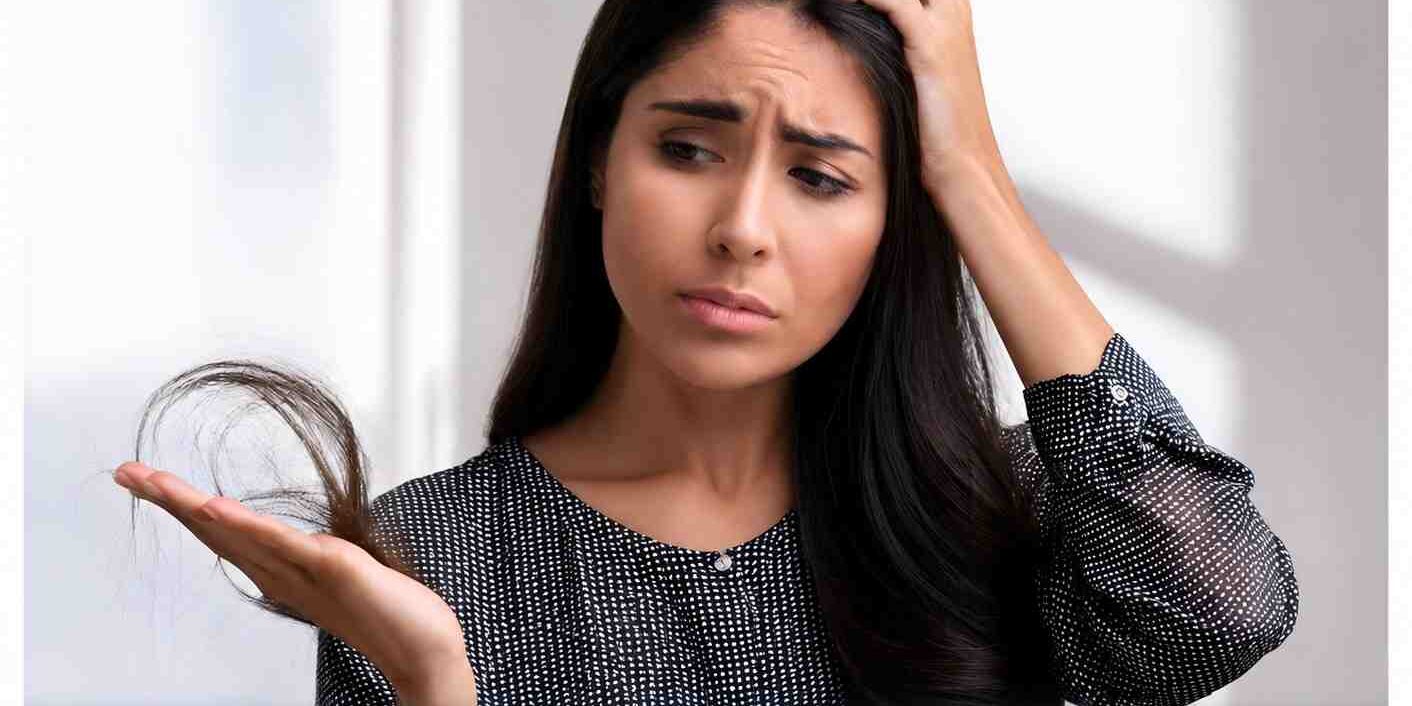
Sudden hair loss in women can be caused by physical or emotional shock, severe stress, rapid weight loss, high fever, childbirth, or changes in medication. This rapid shedding is often known as telogen effluvium. Sudden patchy hair loss may also be linked to an autoimmune condition such as alopecia areata.
Quick Answer: What Can Cause Sudden Hair Loss in Women?
Sudden hair loss in women can happen when something changes the normal hair growth cycle. The change may affect the body, hormones, diet, stress levels, medicine, immune system, or scalp. Some causes lead to shedding across the whole scalp. Others may cause small bald spots or thinning in one area.
Common Reasons for Sudden Hair Shedding
A sudden loss of hair in women may be linked to:
- Telogen effluvium after stress or a major change in the body
- Childbirth and changes in hormone levels
- Severe stress from a difficult event
- High fever or illness
- Major surgery
- Fast weight loss
- Low levels of important nutrients
- Thyroid problems
- Changes in medicine
- Alopecia areata, which can cause bald patches
When researching women’s sudden hair loss, it is important to remember that the same signs can have different causes. The cause cannot always be identified by appearance alone.
When Should You Get Your Hair Checked?
Seek professional advice if the hair loss starts quickly or becomes severe. You should also get help if you notice bald patches, scalp pain, redness, itching, or burning. A professional can help find the possible cause of sudden hair loss in women before you choose a treatment.
The phrase sudden loss of hair women may also describe several different hair problems. Proper assessment is important. If hair loss becomes stable, some patients may later explore options such as a hair transplant in the Philippines, depending on the cause and their needs.
What Does Sudden Hair Loss in Women Look Like?
Sudden hair loss in women can look different from one person to another. Some women notice more hair falling out during daily care. Others may see bald spots or a wider part. The pattern of hair loss can give useful clues. However, appearance alone cannot confirm the cause.
More Hair Than Usual in the Shower or Brush
You may first notice more loose hair when washing or brushing your hair. Hair may also come out when you gently run your fingers through it.
You might see more strands:
- In the shower
- On your brush or comb
- On your pillow
- Your clothes
- On the bathroom floor
This type of shedding may affect the whole scalp. It does not always mean permanent hair loss. Some people may try a shampoo for hair growth when they notice more shedding. However, shampoo alone may not fix the problem if another condition causes the hair loss.
Hair Coming Out in Clumps
A sudden loss of hair in women can sometimes involve clumps or handfuls of hair. This can feel scary, especially when the change happens very fast. Heavy shedding may follow illness, stress, surgery, childbirth, or another major change in the body. A sudden loss of hair women notice in large amounts should not be ignored. A professional assessment can help find the possible reason.
New Bald Patches
Some women notice one or more clear bald spots instead of general thinning. These patches may look round or oval. One possible cause is alopecia areata. This condition affects the hair follicles and can cause patchy hair loss.
However, a bald patch does not always mean alopecia areata. A healthcare professional should check the scalp before making a diagnosis. People searching for women sudden hair loss may be dealing with very different hair loss patterns.
A Rapidly Widening Part or Visible Scalp
Some women notice that their hair part becomes wider. Others may see more scalp through the hair. This differs from a clear bald patch. The hair may still cover the area, but it looks thinner than before.
Female pattern hair loss often develops slowly. However, another shedding event may make the thinning seem more noticeable. Finding the cause of sudden hair loss in women is important before choosing any treatment. A proper assessment can help identify the hair loss pattern and guide the next step.
Hair Shedding vs Hair Loss: What Is the Difference?
Hair shedding and hair loss may look similar, but they are not always the same. Knowing the difference can help you understand what may be happening. Sudden hair loss in women may involve extra shedding, true hair loss, or both at the same time.
What Is Increased Hair Shedding?
Hair shedding happens when strands leave the scalp as part of the natural hair growth cycle. Sometimes, more hair than usual enters the shedding stage. This may happen after illness, stress, childbirth, surgery, or a major change in the body.
A sudden loss of hair in women may first appear as more loose strands:
- In the shower
- Hairbrush
- On a pillow
- On clothing
- In the sink
The scalp may still look normal even when shedding increases.
What Is Hair Loss?
Hair loss can happen when new hair grows more slowly or stops growing in some areas. It may also happen when hair roots become smaller or damaged. In some cases, swelling or immune system activity may affect hair growth. The cause of sudden hair loss in women can vary. Hormones, scalp problems, family history, tight hairstyles, or certain health issues may play a role.
Hair Shedding vs Hair Loss
| Feature | Increased Hair Shedding | Hair Loss |
| Common appearance | More loose strands than usual | Thin areas, wider parts, or bald spots |
| Pattern | Often spread across the scalp | May affect certain areas or follow a pattern |
| Possible causes | Stress, illness, childbirth, surgery, or diet changes | Hormones, immune problems, scalp issues, damage, or family history |
| Scalp changes | Scalp may look normal | Redness, scaling, pain, or visible thinning may occur |
| Evaluation | Hair and health history may help | A closer scalp and hair check may be needed |
This table is only a simple guide. It should not be used to diagnose a hair problem.
Can Shedding and Hair Loss Happen Together?
Yes. Both can happen at the same time. For example, a woman may already have slow thinning and then develop heavy shedding. This can make the hair look much thinner in a short period.
People searching for sudden hair loss or sudden loss of hair women may be describing different hair problems. Good hair care may support the scalp and hair. Some people also ask about products such as Maxim hair vitamin or Maxim shampoo and conditioner. However, products should not replace a proper assessment when hair loss starts suddenly or becomes severe.
Common Causes of Sudden Hair Loss in Women
Sudden hair loss in women can happen for many reasons. A change in your health, hormones, diet, medicine, or stress level may affect how your hair grows. Some causes lead to heavy shedding across the scalp. Others may cause bald spots or thinning in certain areas. The right next step depends on the cause.
Telogen Effluvium
Telogen effluvium is a type of increased hair shedding. It can happen after the body goes through a major change or stressful event. Hair grows in stages. After a strong physical or emotional stress, more hairs may enter the resting stage. Those hairs may later fall out. The trigger can happen weeks or months before you notice more shedding. This can make it hard to connect the hair loss with the earlier event.
Possible triggers include:
- A major illness
- High fever
- Surgery
- Childbirth
- Severe emotional stress
- Large weight changes
- A very strict diet
- Changes in medicine
The length of shedding can vary from person to person. Recovery also depends on the trigger and the person’s health.
Severe Physical or Emotional Stress
A major stressful event can affect the normal hair growth cycle. Possible triggers may include a serious illness, surgery, hospital stay, trauma, or a major life change. Severe emotional stress may also play a role. However, normal daily stress does not explain every case of hair loss.
Heavy shedding should not simply be blamed on stress without looking at other possible causes. A health professional may need to review your symptoms and recent health history. Stress care can support your general health. However, reducing stress alone may not solve hair loss caused by another problem.
Pregnancy and Postpartum Hormonal Changes
Hormone levels change greatly during pregnancy and after childbirth. These changes can affect the hair growth cycle. Some women notice that their hair feels fuller during pregnancy. After childbirth, more hairs may move into the shedding stage. This can lead to a noticeable sudden loss of hair in women after giving birth.
The amount and length of shedding can differ for each woman. There is no single recovery time that applies to everyone. Speak with a health professional if the shedding seems very heavy or continues without improvement. You should also seek advice if you have other health concerns.
Rapid Weight Loss and Restrictive Diets
Fast weight loss can place stress on the body. Very strict diets may also reduce the nutrients your body receives. Hair needs enough protein, energy, vitamins, and minerals to grow well. A large drop in food intake may affect this process. A possible cause of sudden hair loss in women may be a major diet or weight change. However, hair loss can have several causes at the same time.
Avoid crash diets when possible. A balanced eating plan can support both your hair and general health. Do not start supplements just because your hair is shedding. A health professional may first need to check whether you have a real nutrient shortage.
Iron and Other Nutritional Problems
Good nutrition supports healthy hair growth. Low levels of some nutrients may play a role in hair loss. Iron is one nutrient that may need to be checked in some women. However, hair loss does not always mean that you have low iron. A doctor may suggest blood tests if your symptoms or health history point to a possible shortage. Testing can help guide the next step.
Do not take large amounts of iron or other supplements without proper advice. Too much of some nutrients can cause health problems. A healthy hair care routine can protect the hair you have, but it cannot correct a true nutrient shortage on its own.
Thyroid and Other Hormonal Changes
Hormones help control many parts of the body. They can also affect the way hair grows. Thyroid problems are one possible reason for changes in hair growth or shedding. Other hormone changes may also affect the hair.
Hair loss alone cannot show whether someone has a thyroid problem. A doctor may need to look at other symptoms and order tests when needed. This helps avoid guessing based only on changes in the hair.
New Medications or Medication Changes
Some medicines may affect the hair growth cycle. Shedding may start after a new medicine or a change in treatment. However, it can be hard to know whether the medicine is the true cause without a full review.
Do not stop a prescribed medicine because you think it is causing hair loss. Speak with the doctor or health professional who prescribed it first. Tell them when the shedding began and whether your medicine or dose recently changed. This information can help them decide what to check next.
Alopecia Areata
Alopecia areata is a type of hair loss linked to the immune system. The immune system affects the hair roots and can interrupt normal growth. It often causes clear round or oval bald spots. However, the pattern can vary. Not every bald patch means that a person has alopecia areata. Other conditions can also cause patchy hair loss.
People with new bald areas should seek professional advice. A proper scalp check can help determine what may be causing the change. This is especially important when women’s sudden hair loss appears as clear patches rather than general shedding.
Scalp Conditions and Inflammation
Problems on the scalp can sometimes affect healthy hair growth.
Watch for changes such as:
- Redness
- Flaking or scaling
- Tenderness
- Burning
- Strong itching
- Sores
- Crusting
These signs may point to irritation, inflammation, infection, or another scalp problem. Do not rely only on shampoo or home treatments if the scalp feels painful or looks inflamed. A professional assessment can help find the reason. A sudden loss of hair women notice together with scalp pain or sores deserves extra attention.
Tight Hairstyles and Hair Practices
The way you style your hair can also affect its health.
Styles that pull tightly on the hair can place repeated stress on the roots. Examples include:
- Tight ponytails
- Tight braids
- Hair extensions
- Styles that pull the same areas each day
Repeated pulling may lead to hair loss over time. Heat and strong chemical treatments can also weaken the hair shaft. This often causes breakage rather than hair falling from the root.
Broken hair may look like shedding because the hair becomes shorter and thinner. However, the two problems are different. A gentle hair care routine may help reduce extra pulling and breakage. Because sudden hair loss in women has many possible causes, it is important not to guess based on one symptom. A professional assessment can help identify the hair loss pattern and guide the right next step.
When Should Sudden Hair Loss in Women Be Checked?
Sudden hair loss in women should be checked when the change is fast, severe, or has no clear reason. A professional can help find the possible cause and guide the next step.
Signs That Need Attention
A sudden loss of hair in women may need a closer look if you notice:
- Large amounts of hair falling out
- New round or clear bald patches
- Fast thinning across the scalp
- Scalp pain or burning
- Long-lasting itching
- Redness or scaling
- Scarring
- Loss of eyebrow or body hair
- Other new health changes
- Shedding that does not improve
- Hair loss after starting a new medicine
These signs do not always mean there is a serious problem. However, they can help show when an assessment may be useful.
What Happens During an Assessment?
A health professional may ask when the shedding started and how fast it changed. They may also ask about illness, stress, pregnancy, childbirth, diet, weight changes, and medicine. Family history and hair care habits may also provide useful details.
The scalp and hair may then be checked for thinning, bald areas, redness, or scaling. Scalp problems can sometimes look similar. For example, understanding dandruff vs psoriasis may require a proper scalp check. Blood tests may be suggested when a health or nutrition problem is suspected. These may help check iron levels, thyroid function, or other concerns. Finding the cause of sudden hair loss in women may require more than looking at the hair alone.
Can the Hair Grow Back?
Hair regrowth depends on the cause and condition of the hair roots. Some forms of shedding may improve after the trigger is addressed. Other types may need ongoing care. Scarring can also affect how well hair grows again. People searching for sudden hair loss or sudden loss of hair women should avoid expecting one recovery time for every case. A proper assessment can help set realistic expectations.
What to Do During Sudden Hair Shedding and What It May Mean?
Sudden hair loss in women can feel worrying, but simple steps can help protect the hair while you look for the cause. The first step is gentle care.
Protect Your Hair and Track Changes
Brush your hair gently and avoid pulling it tightly. Limit tight ponytails, braids, extensions, strong chemicals, and frequent heat styling. Eat enough food and protein each day. A balanced diet supports normal hair growth. If you think you have a nutrient shortage, speak with a health professional before taking supplements.
It may also help to record:
- When the shedding started
- Where the hair is thinning
- Recent illness or fever
- Surgery
- Stressful events
- Weight changes
- Pregnancy or childbirth
- New medicines
- Scalp pain, itching, or redness
These details may help during a hair and scalp assessment.
Stress, Illness, and Other Possible Triggers
A sudden loss of hair in women may happen after severe stress, illness, fever, surgery, childbirth, or rapid weight loss. One possible reason is telogen effluvium. This happens when more hairs move into the resting and shedding stage after the body faces a major change. However, these events do not cause every case of hair loss.
Sudden Shedding vs Female Pattern Hair Loss
| Feature | Sudden Shedding | Female Pattern Hair Loss |
| Speed | Often starts more quickly | Usually develops slowly |
| Pattern | Often affects much of the scalp | Often causes wider parting or crown thinning |
| Possible trigger | Illness, stress, childbirth, surgery | Hormones, age, family history |
| Evaluation | Recent health changes matter | Hair pattern and history matter |
| Treatment | Depends on the trigger | May need ongoing care |
People searching for sudden hair loss or sudden loss of hair women should not use this table to diagnose themselves. The cause of sudden hair loss in women should be understood before choosing treatment. An FUE hair transplant may suit some stable hair loss cases, but it is not the right option for every type of active shedding.
Take the Next Step Toward Healthier-Looking Hair!
If you are dealing with sudden hair loss in women, getting the right advice can help you understand what may be happening. The cause can vary, so a proper hair and scalp assessment is an important first step.
Maxim Hair Restoration – Philippines offers professional guidance and hair restoration options based on your needs and hair loss pattern. Contact us today to schedule a consultation and discuss the next steps that may be right for you.
FAQs
1. What causes sudden hair loss in women?
Sudden hair loss in women can have many possible causes. These may include severe stress, illness, childbirth, surgery, rapid weight loss, hormone changes, or some medicines. Telogen effluvium is one type of increased shedding that may happen after physical or emotional stress.
2. Can stress cause sudden hair shedding?
Yes. Severe physical or emotional stress can affect the normal hair growth cycle. Hair shedding may become more noticeable after a stressful event. However, stress does not cause every case of hair loss. A proper assessment can help find other possible causes.
3. Why is my hair suddenly falling out in large amounts?
A sudden loss of hair in women may happen after illness, fever, surgery, childbirth, or another major change in the body. Heavy shedding can also have other causes. Speak with a healthcare professional if the shedding is severe, continues, or has no clear reason.
4. What can cause sudden bald patches in women?
Round or clear bald patches may have several causes. Alopecia areata is one possible cause. It is an immune-related condition that can cause sudden patches of hair loss. However, not every bald patch means alopecia areata. A professional should examine the scalp.
5. Can hair grow back after sudden hair loss?
Hair may grow back in some cases, but it depends on the cause of sudden hair loss in women. Some types of shedding may improve after the trigger has passed. Other types may need medical care or ongoing treatment. Avoid expecting the same recovery time for every person.