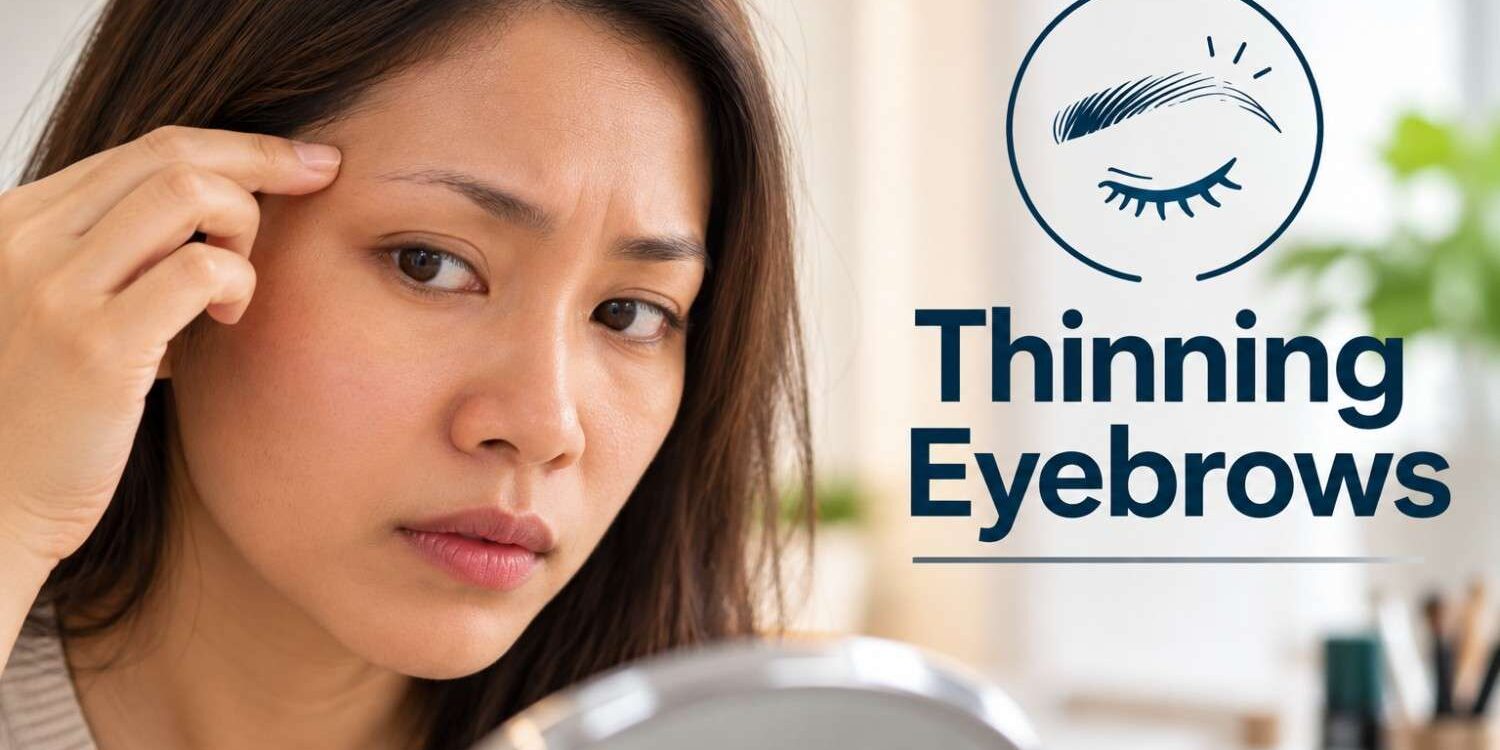
Many people notice thinning eyebrows as they get older or after years of plucking and shaping their brows. Hormone changes, thyroid problems, skin conditions, and poor nutrition may also affect eyebrow hair. The cause can vary from person to person, so it helps to understand what may be behind the change.
Maxim Hair Restoration – Philippines helps people explore options for sparse or thinning brows. Learning about the possible causes, signs, and available solutions can help you decide what steps to take and when to seek professional advice.
What Does Thinning of Eyebrows Look Like?
The thinning of eyebrows can look different from one person to another. Some people notice small changes over time. Others may see a clear change within a shorter period. You may first notice fewer hairs in areas that once looked full. Your brows may also look lighter, shorter, or less defined.
Common Signs of Eyebrow Thinning
Some common changes include:
- Less hair across one or both brows
- Small gaps between eyebrow hairs
- Thin or patchy areas
- Shorter-looking eyebrows
- Hair loss near the outer edges
- Brows that look lighter than before
- One eyebrow looking thinner than the other
These changes may affect the whole brow or only one part. Thinning eyebrows may also make the natural shape of your brows less clear.
Why Can Eyebrow Changes Look Different?
People with eyebrows thinning may notice different patterns. Hair may slowly become less dense. In other cases, a patch of hair may disappear more quickly. This difference is important because thinning eyebrows causes can vary. Age, grooming habits, skin problems, hormone changes, and some health conditions may affect eyebrow hair. You may ask, “Why are my eyebrows thinning?” if you notice a slow change. You may also wonder, “Why are my eyebrows thinning?” when the change seems sudden or hard to explain.
The way your brows look alone cannot show the exact cause. A professional assessment can help identify possible reasons for the change. People who have lasting eyebrow hair loss may also explore cosmetic or hair restoration options. A hair transplant in the Philippines may be one option for suitable people, but the right approach depends on the cause and condition of the eyebrow area.
What Are the Most Common Thinning Eyebrows Causes?
There are many possible thinning eyebrows causes. Age, grooming habits, skin problems, health conditions, diet, and major body changes can affect eyebrow growth. The cause can differ for each person. A medical professional can help find the reason when eyebrow hair loss is sudden or hard to explain.
Aging and Hormone Changes
Hair growth can change as people get older. Eyebrow hairs may become finer or grow more slowly. Hormone changes may also affect hair growth and density. However, age is not always the reason for thinning eyebrows. Other factors may play a role.
Over-Plucking and Hair Removal
Repeated tweezing, waxing, or other hair removal methods can put stress on hair follicles. Follicles are small structures in the skin where hairs grow. Frequent hair removal may damage these follicles over time. As a result, some areas may have trouble growing new eyebrow hair.
Skin Conditions
Skin problems can affect the area around the brows. These may include eczema, psoriasis, and seborrheic dermatitis.
Watch for changes such as:
- Itching around the brows
- Red or sore skin
- Dry or flaky skin
- Irritation around eyebrow hairs
Inflamed skin may affect normal hair growth. Avoid guessing the cause based on these signs alone.
Thyroid Problems
The thyroid helps control many body functions, including processes linked to hair growth. Thyroid problems may sometimes cause eyebrows thinning. Other body changes may occur at the same time. A doctor can check your symptoms and decide whether further tests are needed.
Alopecia and Other Hair Loss Conditions
Alopecia areata happens when the immune system attacks hair follicles by mistake. It can cause hair loss on the brows, scalp, or other areas. People asking why my eyebrows are thinning should not assume alopecia is the cause. A professional assessment is needed.
Nutrient Deficiencies
Protein, vitamins, and minerals help support healthy hair growth. Low levels of nutrients such as iron, zinc, or vitamin D may be linked with hair loss. Do not start supplements without medical advice. A healthcare professional can check whether a deficiency may be present.
Stress, Illness, and Major Body Changes
Major stress on the body can affect the normal hair cycle. Illness, surgery, pregnancy-related changes, and other major changes may play a role in the thinning of eyebrows. If you are asking why my eyebrows thinning, consider speaking with a healthcare professional before choosing a treatment. For lasting hair loss, some suitable patients may later explore options such as a facial hair transplant after the cause has been assessed.
Why Are My Eyebrows Thinning?
If you are asking why my eyebrows are thinning, look at how and where the change started. The pattern and speed of hair loss may offer useful clues. However, these signs cannot tell you the exact cause.
Look at How Your Brows Have Changed
Some people notice a slow thinning of eyebrows over time. Others may see a clear change within a short period. Check both brows and look for differences.
Ask yourself these questions:
- Did the change happen slowly or quickly?
- Does it affect one eyebrow or both?
- Does the whole brow look thinner?
- Are the outer edges losing hair?
- Is the skin red, itchy, or flaky?
- Have you changed how you pluck or shape your brows?
- Is hair loss happening on your scalp or other areas?
These details can help a healthcare professional understand what may be happening. Several thinning eyebrows are possible, so avoid making a diagnosis based on appearance alone.
What If Eyebrow Thinning Happens Suddenly?
You may search why my eyebrows are thinning after noticing a fast or unexpected change. Sudden eyebrows thinning may need more attention than a slow change. Illness, major stress, some medicines, and hormone changes may affect normal hair growth. Skin inflammation, nutrient problems, and some immune system conditions may also play a role.
Do not assume one of these factors is causing your hair loss. Sudden changes can have many possible causes. See a healthcare professional if the hair loss starts quickly, becomes worse, or appears with other symptoms. A proper check can help identify the possible cause and guide your next steps. Hair care products, including Maxim shampoo and conditioner, should not replace medical advice when eyebrow loss is sudden or unexplained. Understanding the cause should come before choosing a treatment for thinning eyebrows.
Can Thinning Eyebrows Grow Back?
Yes, thinning eyebrows may grow back in some cases. Regrowth often depends on what caused the hair loss. The health of the hair follicles also matters. A follicle is the small part of the skin where each hair grows. Recovery is different for each person. Some eyebrow hairs may return, while other areas may stay sparse.
Temporary Changes to Hair Growth
Illness, stress, hormone changes, or other body changes can disturb the normal hair cycle. When the cause improves, some hair may start growing again. People who notice eyebrows thinning should pay attention to when the change started and whether hair loss affects other areas.
Repeated Damage to Hair Follicles
Frequent plucking, waxing, or other hair removal can harm follicles over time. Mild damage may still allow some growth. More serious damage can make regrowth harder. This is one reason the thinning of eyebrows may continue after a person stops plucking.
Scarring or Permanent Follicle Damage
A scar can damage or destroy follicles in the affected area. When this happens, natural hair may have trouble growing from that spot. The amount of damage can vary. A professional assessment can help show whether the follicles may still support hair growth.
An Underlying Health Condition
Several thinning eyebrows can cause health problems. Skin conditions, thyroid problems, nutrient deficiencies, and some immune conditions may affect eyebrow growth. If you are asking why are my eyebrows thinning or why are my eyebrows thinning, avoid trying to find the cause on your own. A healthcare professional can check your symptoms and health history.
Products such as Maxim hair vitamin should not replace medical care or a proper assessment. Supplements may only help in certain cases, such as when a confirmed nutrient deficiency is present. Complete eyebrow regrowth cannot be promised, and results can vary between people.
When Should You See a Doctor About Eyebrows Thinning?
Changes in your brows do not always mean there is a health problem. However, you should seek medical advice if eyebrows thinning happens suddenly or without a clear reason. A healthcare professional can help look for possible causes. This is important when the change continues or appears with other signs.
Signs That May Need Medical Attention
Consider speaking with a healthcare professional if you notice:
- Sudden or fast eyebrow hair loss
- Large bald or patchy areas
- Red or painful skin around the brows
- Itching, irritation, or flaky skin
- Hair loss on your scalp or other body areas
- Unexplained tiredness or other health changes
- Hair loss that keeps getting worse
If you are asking why my eyebrows are thinning, note any other changes you have seen. These details may help your doctor understand your concerns.
What Can a Healthcare Professional Review?
A healthcare professional may ask when the thinning of eyebrows started and how quickly it changed. They may also review your health history, medicines, skin health, grooming habits, and other symptoms. There are many possible thinning eyebrows causes. A professional review can help narrow down the possible reason without relying on guesswork.
You may also search why my eyebrows are thinning when the change seems unusual. Avoid trying to diagnose the problem based only on how your brows look. A proper review should come before choosing a cosmetic or hair restoration option for thinning eyebrows. If you later consider restoration, you can also ask about the procedure, expected care, and hair transplant cost. The right approach depends on your needs and the possible cause of your eyebrow hair loss.
What Treatment Options Are Available for Thinning Eyebrows?
Treatment for thinning eyebrows depends on the cause of the hair loss. Some people may need medical care. Others may benefit from changing grooming habits or exploring cosmetic options. A professional can help find a suitable approach.
Treating an Underlying Health Problem
Some thinning eyebrows may relate to a health problem. Thyroid conditions, skin problems, and some immune conditions can affect hair growth. Treating the health issue may help support normal hair growth in some cases. A healthcare professional should guide medical care.
Protecting Existing Eyebrow Hair
Gentle care can help protect the eyebrow hairs and follicles that remain. Try to avoid frequent plucking, waxing, and harsh products around the brows. Repeated hair removal can harm follicles over time. Reducing this stress may help protect existing hair.
Topical or Medical Treatments
A healthcare professional may consider certain medicines based on the cause of the hair loss. Options can include minoxidil, bimatoprost, or medicines that reduce skin inflammation. Some uses may be off-label. This means a medicine is used for a purpose that is not part of its official approval. Always seek professional guidance before using medicine near your eyes. People with red, itchy, or flaky skin may wonder about dandruff vs psoriasis or another skin problem. A doctor or skin specialist can help identify the cause.
Makeup and Microblading
Eyebrow pencils, powders, and gels can make sparse areas look fuller. Microblading can also add the look of small eyebrow hairs. These options change how the brows look. They do not create new hair follicles or treat the cause of eyebrows thinning.
Eyebrow Hair Transplant
An eyebrow hair transplant may offer a longer-term option for suitable people. During the procedure, a doctor moves healthy hair follicles from a donor area to sparse parts of the brows.
People asking why are my eyebrows thinning or why is my eyebrows thinning should first understand the possible cause. Some conditions may need medical care before cosmetic treatment. The thinning of eyebrows and the health of the donor area can affect treatment choices. An eyebrow transplant may improve coverage for suitable patients, but density and growth results can vary.
How Does an Eyebrow Hair Transplant Work?
An eyebrow hair transplant moves healthy hair follicles from a donor area to sparse parts of the eyebrows. The process starts with a personal assessment. The provider reviews the thinning of eyebrows, possible causes, existing hair, and the donor area.
Planning and Placing the Hair
The provider plans an eyebrow shape that fits the person’s face and natural brow pattern. They also consider hair direction and the amount of coverage needed.
The main steps may include:
- Reviewing the brows and possible thinning eyebrows causes
- Planning the eyebrow shape and size
- Choosing a suitable donor area
- Collecting individual hair follicles
- Placing follicles into sparse areas
- Giving aftercare instructions
- Checking progress during follow-up visits
Placement requires careful planning. Natural eyebrow hairs grow close to the skin. Each transplanted hair should follow a suitable angle and direction to create a natural-looking pattern. Donor hairs may keep some traits from the area where they came from. For example, scalp hairs may continue growing longer. This means transplanted eyebrow hairs may need regular trimming.
Who May Be a Candidate for Eyebrow Restoration?
Not everyone with eyebrows thinning will be suitable for an eyebrow transplant. A personal assessment helps determine whether the procedure may be an option.
Potential candidates may include people with sparse brows caused by:
- Past over-plucking
- Injury or scars
- Naturally sparse eyebrows
- Stable eyebrow hair loss
- Previous cosmetic damage
People asking why my eyebrows are thinning should first consider whether an active health or skin problem may be involved. These concerns may need professional assessment before eyebrow restoration.
What Should You Consider Before Eyebrow Restoration?
Before choosing treatment, consider the cause of hair loss and the health of the remaining follicles. Donor hair quality also matters. Other factors include eyebrow shape, hair direction, expected coverage, healing, aftercare, and future trimming. Provider experience is also important because eyebrow hair needs careful placement.
Someone searching why my eyebrows are thinning may also come across products or vitamins for hair loss. These should not replace proper medical advice when the cause remains unclear. The goal of eyebrow restoration should be a natural-looking design that suits the person’s facial features. Results, density, healing, and hair growth can differ between people. A full assessment can help set realistic expectations before treating thinning eyebrows.
Take the Next Step Toward Fuller-Looking Eyebrows
If thinning eyebrows affect the look and shape of your brows, Maxim Hair Restoration – Philippines can help you explore your options. Our team can assess your brows, discuss your goals, and explain whether eyebrow restoration may suit your needs.
Contact us to schedule a consultation and learn more about eyebrow hair transplant options. We can answer your questions and help you understand what to expect before making a decision.
FAQs
1. What are the most common causes of thinning eyebrows?
Thinning eyebrows may result from aging, repeated plucking, hormone changes, skin problems, thyroid conditions, or some forms of hair loss. The cause can differ between people.
2. Can thinning eyebrows grow back?
Eyebrow hair may grow back if the follicles remain healthy and the cause is temporary. Regrowth can vary, especially when follicles have lasting damage or scarring.
3. Why are my eyebrows thinning at the outer edges?
Hair loss near the outer edges may have several possible causes. Avoid trying to diagnose the problem yourself. A healthcare professional can assess your symptoms and health history.
4. Can over-plucking cause permanent eyebrow hair loss?
Repeated plucking can damage eyebrow follicles over time. Some damaged follicles may have trouble producing new hair. The amount of damage and possible regrowth can vary.
5. Can an eyebrow hair transplant help with sparse eyebrows?
An eyebrow hair transplant may help suitable candidates add hair to sparse areas. A provider moves healthy donor follicles into the brows. An assessment can determine whether this option may suit your needs.