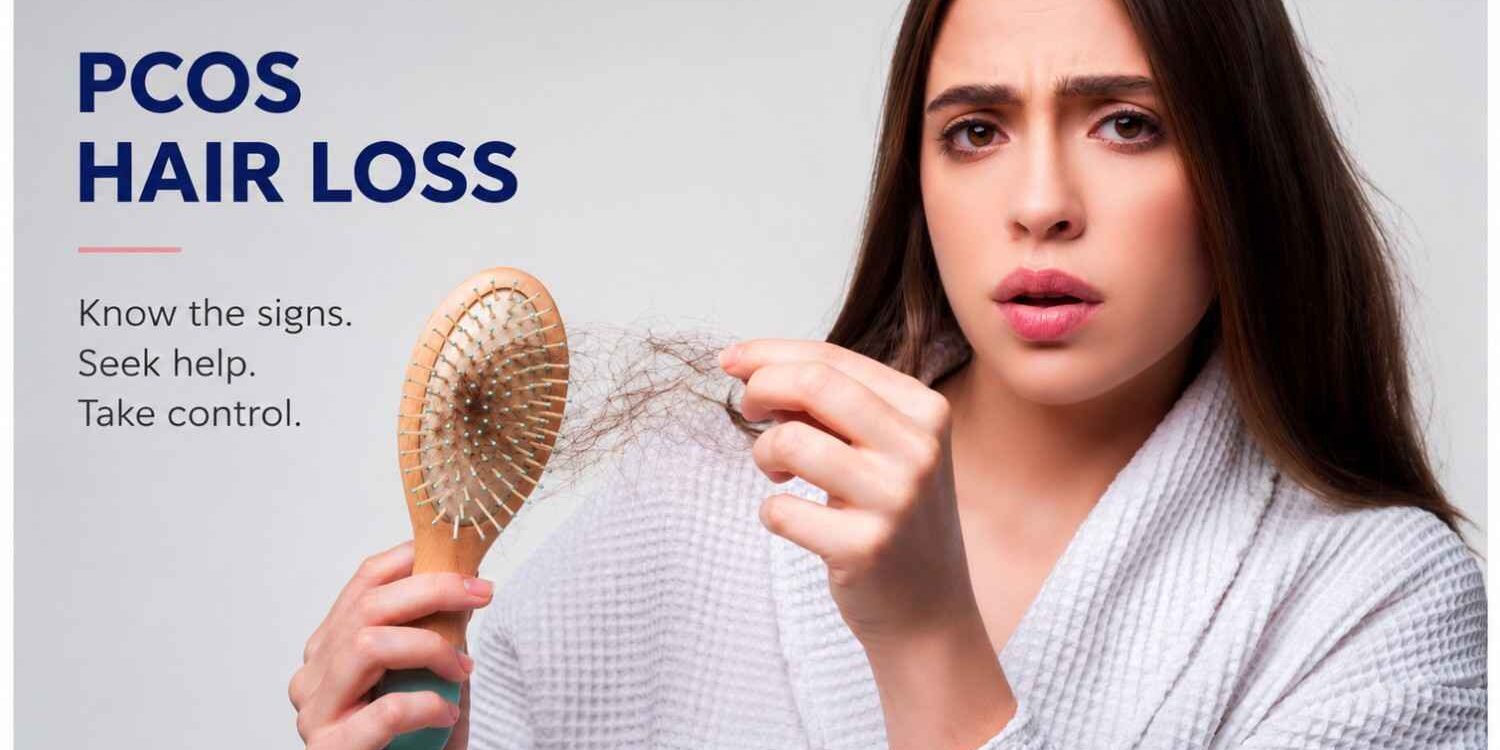
PCOS hair loss happens when women have high levels of androgens (male hormones) like testosterone and DHT. This can cause female pattern hair loss. Effective treatments aim to lower these hormones and boost hair growth, often using birth control pills, anti-androgen medications, and topical solutions.
If you are experiencing hair thinning or hair loss linked to PCOS, getting professional advice is important. Maxim Hair Restoration – Philippines provides personalized assessments and hair restoration solutions to help identify the cause of hair loss and recommend treatment options that match your needs and goals.
Does PCOS Cause Hair Loss?
Many women ask, does PCOS cause hair loss? The answer is yes, but it happens in a specific way. PCOS can affect your hormones and cause changes in hair growth. We often hear about thinning hair on the crown, a wider part line, or more hair falling out than usual.
Hair loss PCOS is usually linked to higher levels of male hormones, called androgens. These hormones make hair follicles smaller. Smaller follicles produce thinner, weaker hair. Over time, hair may grow slower or stop growing in some areas.
How PCOS Affects Hair Growth?
Here’s what usually happens:
- Androgens like testosterone attach to hair follicles.
- The follicles shrink and can’t grow thick hair.
- Hair becomes thin and falls out more easily.
- You may notice more hair on your brush, pillow, or shower drain.
Can PCOS Cause Hair Loss at Any Age?
Can PCOS cause hair loss even if you are young? It can. Some women notice hair thinning in their late teens or early twenties. Others may see it after a few years of irregular periods or other PCOS symptoms. Hair loss can be gradual, so many women don’t realize it’s happening at first.
Signs You Might Have Hair Loss From PCOS
- Hair feels thinner than usual.
- The part in your hair looks wider.
- Hair on the crown is less dense.
- You notice more shedding than normal.
These signs are common, and they usually get worse if untreated.
What You Can Do About Hair Loss PCOS?
If you notice these changes, it’s important to get professional help. Lifestyle changes, hormone management, and treatments can slow or reverse hair loss. Some women benefit from hair transplant in the Philippines, combined with other therapies, to restore density and confidence.
Why Hair Loss Happens in Women With PCOS?
Many women notice their hair thinning when they have PCOS. PCOS hair loss happens for several reasons. Hormones, insulin, inflammation, and nutrition all affect hair growth. Understanding these causes can help manage hair loss effectively.
High Androgen Levels
One main reason for hair loss in women with PCOS is high androgen hormones. These include testosterone and DHT.
When androgen levels are high:
- Follicles shrink, producing thinner hair.
- Grows slower and is more fragile.
- Falls out more easily.
Hair thinning often appears on the crown or as a wider hair part. Over time, hair may look less full even if the scalp seems normal.
Insulin Resistance
Insulin resistance is common in women with PCOS. When the body does not use insulin properly, the ovaries produce more testosterone.
Extra testosterone can:
- Make hair follicles smaller
- Increase shedding
- Slow new hair growth
Managing insulin with a healthy diet, regular exercise, and medical guidance can help reduce hair loss due to PCOS.
Chronic Inflammation
Chronic inflammation can also affect hair follicles. Inflammation stresses the scalp and slows hair growth.
Signs of inflammation-related hair issues include:
- Hair that breaks easily
- Hair that grows slowly
- Scalp that feels irritated
Reducing inflammation through stress management, anti-inflammatory foods, and gentle hair care can help maintain healthier hair.
Nutritional Deficiencies
Hair requires key nutrients to grow strong. Deficiencies can worsen PCOS hair loss.
Important nutrients include:
- Iron – Low iron can make hair thin and brittle.
- Zinc – Supports healthy hair growth.
- Vitamin D – Helps follicles grow stronger hair.
- Protein – Hair is made of protein, so low intake slows growth.
Eating a balanced diet or taking doctor-recommended supplements can improve hair strength. Using a gentle shampoo for hair growth can also support a healthy scalp and thicker-looking hair.
How to Support Hair Growth
A complete PCOS hair loss treatment plan combines:
- Hormone management
- Proper nutrition and supplements
- Scalp care with suitable shampoos and gentle treatments
- Lifestyle changes, including stress management and regular exercise
Early care can prevent further thinning. It also helps support hair regrowth and improves overall hair health.
PCOS Hair Loss Treatment Options
Many women ask, does PCOS cause hair loss? The answer is yes. Hormone changes linked to PCOS can affect the hair growth cycle and lead to thinning hair.
The good news is that treatment options are available. A complete PCOS hair loss treatment plan often combines healthy habits, medical care, and ongoing support. The best approach depends on each person’s symptoms, health history, and hair goals.
Lifestyle Changes
Healthy daily habits can support better hair growth and overall well-being. A balanced diet gives the body the nutrients it needs to support healthy hair. Foods rich in protein, fruits, vegetables, and healthy fats can help support stronger hair.
Weight management may also help improve hormone balance. Even small changes can have a positive effect on overall health. Regular exercise offers several benefits. It can help support healthy hormone levels, improve blood flow, and reduce stress. Sleep is also important. The body repairs and restores itself during sleep. Poor sleep may affect hormone balance and overall health.
Helpful lifestyle habits include:
- Eating balanced meals
- Staying active throughout the week
- Drinking enough water
- Getting quality sleep
- Managing daily stress
Managing Insulin Resistance
Insulin resistance is common in women with PCOS. When the body does not respond well to insulin, blood sugar levels can become harder to manage. This may lead to higher androgen levels, which can contribute to hair loss PCOS concerns.
Blood sugar control is an important part of treatment. Many healthcare providers recommend low glycemic foods because they help keep blood sugar levels more stable.
Examples include:
- Vegetables
- Whole grains
- Lean proteins
- Beans
- Nuts and seeds
A healthy eating plan may help support hormone balance and reduce hair loss due to PCOS.
Birth Control Pills
Birth control pills are often used to manage PCOS symptoms. These medications can help lower androgen production. Lower androgen levels may help reduce hair thinning and excessive shedding.
Women with irregular periods, acne, and hormone-related hair loss may benefit from this option. A healthcare provider can determine whether birth control pills are appropriate based on individual health needs.
Anti-Androgen Medicines
Anti-androgen medicines help reduce the effects of androgens on the body. One common medication is spironolactone.
Spironolactone works by blocking certain hormone effects that can affect hair follicles. This may help slow hair thinning and support healthier hair growth. Results often take time. Many women use anti-androgen medicines as part of a broader treatment plan.
Topical Minoxidil
Topical minoxidil is a treatment applied directly to the scalp. It helps support hair regrowth by encouraging hair follicles to remain active for a longer period.
Many people use minoxidil to:
- Support thicker-looking hair
- Reduce shedding
- Improve hair density
- Encourage new growth
Results vary from person to person. Consistent use is often needed for several months before noticeable changes occur.
Supplements
Nutritional deficiencies can sometimes affect hair health. A healthcare provider may recommend testing to identify possible deficiencies.
Certain supplements may be helpful when a deficiency exists, including:
- Iron
- Zinc
- Vitamin D
These nutrients play an important role in healthy hair growth. However, supplements should only be taken when needed and under professional guidance.
Stress Management
Stress can affect many parts of the body, including the hair growth cycle. High stress levels may increase shedding and make hair thinning more noticeable. Managing stress can support overall health and complement other treatment methods.
Helpful stress management techniques include:
- Deep breathing exercises
- Meditation
- Yoga
- Walking outdoors
- Enjoyable hobbies
- Relaxation activities
Reducing stress may help support healthier hair growth and improve overall well-being.
Long-Term Hair Restoration Options
Some women experience significant hair thinning despite medical treatment and lifestyle changes. In these situations, learning about long-term restoration options may be helpful. This may include understanding hair transplant in the Philippines and whether a procedure is suitable for the individual’s condition.
Many women also ask, can PCOS cause hair loss that becomes permanent. The answer depends on how long the follicles have been affected and how early treatment begins. Seeking professional advice early often provides the best opportunity to protect existing hair and support future growth.
When to Seek Professional Help?
Hair loss can affect confidence and daily life. While some shedding is normal, ongoing thinning should not be ignored. Early action can help protect existing hair and improve treatment results.
Many women ask, does PCOS cause hair loss that gets worse over time. In many cases, it can. That is why professional evaluation is important when changes in hair become more noticeable.
Signs Hair Loss Is Getting Worse
Hair loss often develops slowly. The signs may be easy to miss at first.
Common warning signs include:
- More hair falling out during washing or brushing
- A wider hair part
- Thinner hair on the top of the scalp
- Less volume in a ponytail
- Hair that takes longer to grow
- Increased scalp visibility
These changes may suggest that hair loss due to PCOS is progressing.
Why Early Evaluation Matters?
Early evaluation can help identify the cause of hair loss before it becomes more severe. Many factors can affect hair growth. Hormones, stress, nutrition, and other health concerns may all play a role.
A specialist can:
- Review symptoms
- Examine the scalp
- Check for possible causes
- Recommend appropriate treatment options
Early diagnosis often leads to better outcomes. It can also help prevent further hair thinning.
When to See a Specialist?
Professional help should be considered when hair loss continues for several months or becomes more noticeable.
A specialist visit may be helpful if:
- Hair thinning is getting worse
- Hair density continues to decrease
- Home remedies are not helping
- New areas of thinning appear
- Hair loss affects confidence or quality of life
Many women searching for answers often ask, can PCOS cause hair loss that becomes difficult to reverse. The longer hair follicles remain affected, the harder it may be to restore healthy growth. This is why early care is important.
What Happens During an Evaluation?
A hair specialist will usually ask questions about symptoms, medical history, and hair changes.
The evaluation may include:
- A scalp examination
- A review of hormone-related symptoms
- Discussion of lifestyle habits
- Assessment of hair density and growth patterns
This information helps create a personalized PCOS hair loss treatment plan.
Exploring Treatment and Restoration Options
Treatment recommendations depend on the cause and severity of hair loss.
Options may include:
- Lifestyle changes
- Hormone management
- Topical treatments
- Nutritional support
- Long-term restoration solutions
Some women with advanced thinning may also ask about hair transplant cost and whether a transplant is an appropriate option. A specialist can explain available treatments and determine which approach may provide the best results. Seeking professional guidance early can help manage hair loss PCOS concerns and support healthier hair growth for the future.
Ready to Take Control of PCOS Hair Loss?
If you are noticing signs of PCOS hair loss, getting professional help early can make a difference. The team at Maxim Hair Restoration – Philippines can evaluate your hair and scalp, identify possible causes, and recommend treatment options based on your needs. Contact us today to schedule a consultation and learn more about the solutions available to support healthier, fuller-looking hair.
FAQs
1. Does PCOS cause hair loss?
Yes. PCOS can cause hair loss in some women. Hormone changes linked to PCOS can affect hair follicles and lead to thinning hair over time.
2. Can hair grow back after PCOS hair loss?
Hair may grow back in many cases. Results depend on the cause, the amount of hair loss, and how early treatment begins. Early care often leads to better results.
3. What is the best PCOS hair loss treatment?
The best treatment depends on each person. Options may include lifestyle changes, hormone management, topical treatments, and other methods recommended by a healthcare provider.
4. When should a specialist be consulted for PCOS hair loss?
A specialist should be consulted if hair thinning continues, shedding increases, or the scalp becomes more visible. Early evaluation can help identify the cause and guide treatment.
5. Is a hair transplant an option for women with PCOS?
A hair transplant may be an option for some women. A hair specialist can evaluate the scalp, review hair loss patterns, and determine whether a transplant is suitable.