
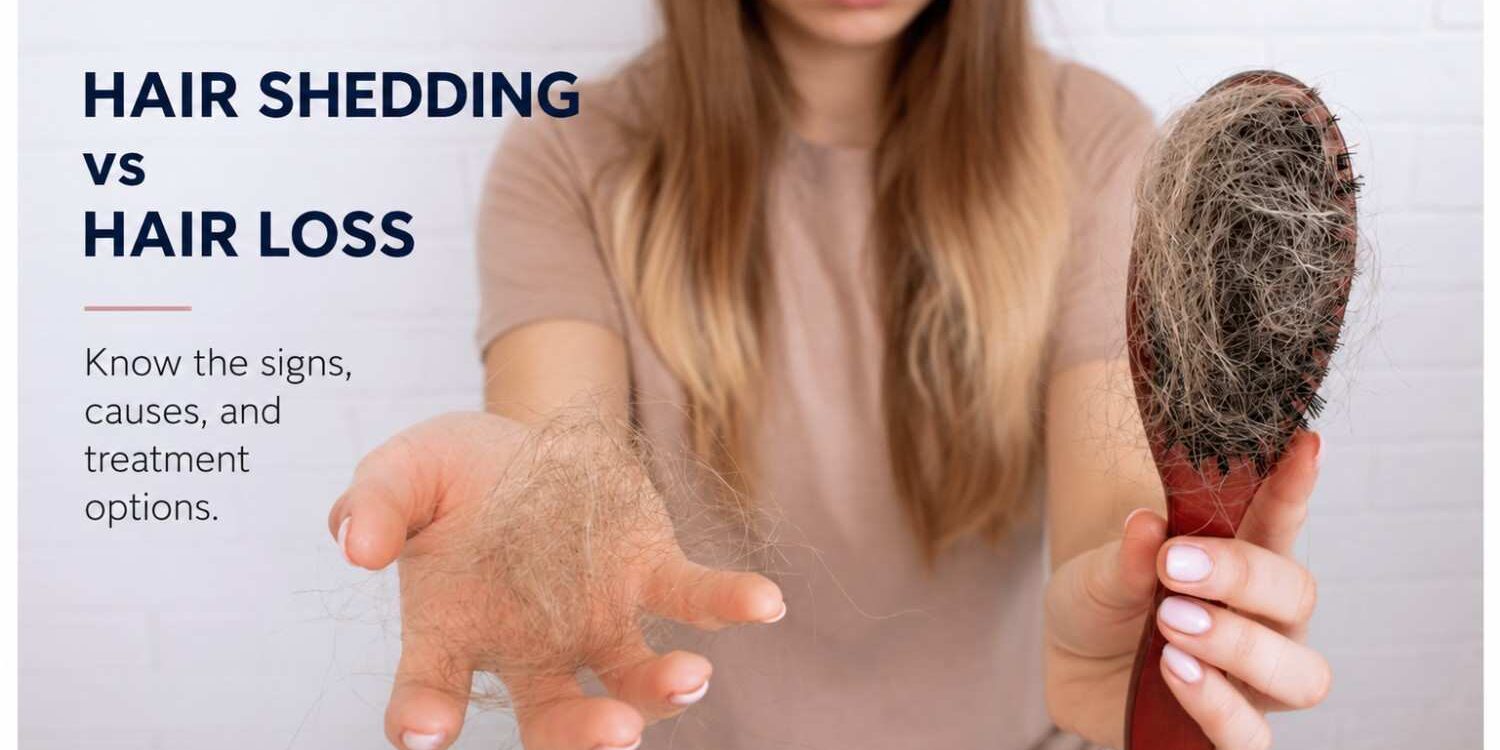
Hair shedding vs hair loss is a common concern for people who notice more hair falling out than usual. Shedding is the natural and temporary release of hair as follicles make room for new growth, and it is usually reversible. Loss of hair happens when the normal growth cycle is interrupted and hair follicles stop producing new hairs, which can lead to permanent thinning or baldness.
At Maxim Hair Restoration – Philippines, we help patients understand the difference between normal hair shedding and true hair loss. Knowing the cause of your hair changes is important because early evaluation and treatment can improve the chances of preserving healthy hair and restoring natural growth.
Shedding Hair vs Hair Loss
Understanding hair shedding vs hair loss can help people know whether hair fall is normal or a sign of a bigger problem. Some hair loss each day is part of the natural hair cycle. However, ongoing thinning or bald spots may need medical attention.
Normal Hair Shedding Is Part of Healthy Hair Growth
Hair naturally goes through a cycle of growth, rest, and shedding. Most people lose between 50 and 100 hairs a day. This amount is normal and usually does not affect overall hair volume. When comparing shedding vs hair loss, normal shedding happens evenly across the scalp. Healthy hair follicles continue to grow new strands to replace the ones that fall out.
Signs of normal shedding include:
- Losing 50 to 100 hairs each day
- Hair fall spread across the scalp
- White bulbs at the end of shed hairs
- New hairs growing back naturally
- No visible bald spots
Excessive Hair Shedding Can Be Temporary
Stress, illness, hormonal changes, and poor nutrition can cause more hair to enter the resting phase. This condition is called telogen effluvium. During this stage, people may lose more than 150 hairs a day for several months.
Common causes include:
- Emotional stress
- Fever or sickness
- Pregnancy and childbirth
- Hormonal changes
- Rapid weight loss
- Lack of important nutrients
In many cases, excessive shedding improves once the trigger is removed. New hair often grows back over time.
Hair Loss Happens When Hair Stops Growing Back
Learning about hair loss vs hair shedding is important because true hair loss affects the follicles. Hair follicles may shrink or become inactive. As a result, new hairs do not replace the ones that fall out.
Unlike shedding, hair loss often affects certain areas of the scalp.
Common signs include:
- Receding hairline
- Widening part line
- Thinning at the crown
- Bald patches
- Less hair density over time
Genetics, autoimmune conditions, and scalp problems are common causes. In some cases, scalp irritation may also play a role. Understanding dandruff vs psoriasis can help identify scalp conditions that affect hair health.
Hair Loss vs Normal Shedding
Knowing the difference between hair loss vs normal shedding helps people recognize early warning signs. Normal shedding affects the whole scalp and allows new hair to grow back. Hair loss usually causes visible thinning in specific areas.
Here are some important differences:
Normal Shedding
- Hair falls evenly
- Hair grows back naturally
- Overall volume stays the same
- Temporary condition
- White bulbs may appear on shed hairs
Hair Loss
- Hair becomes thinner in certain areas
- May not grow back without treatment
- Hair density decreases over time
- Can become permanent
- Bald spots may develop
People who experience ongoing thinning may also search for information about hair transplant cost when considering long-term solutions. Knowing the signs of hair shedding vs hair loss can help people seek treatment early. Fast action may improve the chances of keeping healthy hair and preventing further thinning.
Hair Loss vs Normal Shedding How to Tell the Difference
Understanding hair shedding vs hair loss can help people know whether their hair fall is normal or a sign of a bigger problem. Some hair fall each day is healthy. However, visible thinning or bald spots may point to true hair loss. Many people confuse shedding vs hair loss because both involve hair falling out. The key difference is that normal shedding allows new hair to grow back. Hair loss often causes thinning because the hair does not return as it should.
Look at Where the Hair Is Falling
The pattern of hair fall can provide helpful clues. Normal shedding usually happens across the entire scalp. This type of hair fall is called diffuse shedding. Hair falls evenly, so most people do not notice major changes in thickness. Hair loss works differently. Pattern hair loss often affects certain areas first. Common areas include:
- The hairline
- The crown
- The middle part
- Small bald spots
When comparing hair loss vs hair shedding, uneven thinning often points to hair loss rather than normal shedding.
Count Daily Hair Fall
Most people lose between 50 and 100 hairs each day. This amount is part of the normal hair cycle. Washing or brushing the hair may make the shedding more noticeable.
Hair fall becomes more concerning when:
- More than 150 hairs fall daily
- Hair loss continues for several months
- Hair becomes thinner over time
- Bald spots begin to appear
Understanding hair loss vs normal shedding helps people recognize when hair fall is no longer part of the normal cycle.
Examine the Root
Looking at shed hairs can also help. Many shed hairs have a small white bulb at the end. This bulb shows that the hair completed its natural cycle. White bulbs are common during normal shedding. They do not mean the hair follicle is dead. New hair usually grows back from the same follicle. However, in cases of hair loss vs hair shedding, some hairs become thinner and shorter. Over time, the follicles may become weak and produce finer strands.
Check for Thinning Areas
Visible thinning is one of the biggest signs of hair loss. Normal shedding rarely creates clear thin spots.
Pay close attention to:
- The hairline
- The crown area
- The center part
- Areas around the temples
Pattern hair loss often causes reduced density in these areas. As a result, the scalp becomes easier to see. If thinning continues, early treatment may help slow down further hair loss.
Notice Changes in Hair Volume
Hair volume usually stays the same with normal shedding. New hairs replace old hairs, so overall thickness remains stable. Hair loss causes a slow drop in density. A ponytail may feel smaller. Hairstyles may not look as full as before. More scalp may become visible under bright light.
Common signs of reduced density include:
- Less hair fullness
- Smaller ponytail size
- More visible scalp
- Thinner strands
- Slower regrowth
These changes often suggest true hair loss instead of simple shedding.
Take Photos Every Month
Monthly photos can make it easier to spot changes. Hair loss often develops slowly, so daily changes may be hard to notice.
Take pictures of:
- The front hairline
- Both temples
- The crown
- The middle part
Compare the photos every month. Look for widening areas, thinning spots, or less hair density. These changes may show the difference between normal shedding and ongoing hair loss.
Knowing the difference between hair shedding vs hair loss can help people seek treatment before the problem becomes worse. Early care often gives better results. For people with permanent hair loss, treatments such as medication, PRP therapy, or a hair transplant in the Philippines may provide long-term improvement. Modern options like FUE hair transplant and FUT hair transplant can restore hair in thinning areas and create natural-looking results.
Hair Shedding vs Hair Loss Symptoms
Understanding hair shedding vs hair loss can help people know whether their hair fall is normal or a sign of a bigger problem. Both conditions involve losing hair, but the symptoms are different. Knowing these signs can help people seek treatment sooner and protect healthy hair.
Signs of Normal Shedding
Normal hair shedding is part of the hair growth cycle. Most people lose between 50 and 100 hairs every day. This amount is healthy and usually does not change hair thickness.
With normal shedding:
- Hair falls evenly across the scalp.
- New hairs grow back naturally.
- Hair volume stays about the same.
- There are no bald spots.
- The hairline remains unchanged.
Many shed hairs have a small white bulb at the end. This is normal and shows that the hair completed its growth cycle. When comparing shedding vs hair loss, normal shedding does not create visible thin areas.
Signs of Excessive Shedding
Excessive shedding means more hair falls out than usual. Stress, illness, hormone changes, and poor nutrition can all trigger this problem.
Signs of excessive shedding include:
- More hair on the pillow
- Hair collecting in the shower drain
- Extra hair on brushes and combs
- Hair falling out when washing or styling
- Increased shedding for several weeks or months
Excessive shedding usually affects the entire scalp. Hair falls evenly instead of from one area. In many cases, new hair grows back after the trigger goes away.
Signs of Pattern Hair Loss
Understanding hair loss vs hair shedding becomes easier when looking at the pattern of hair loss. Pattern hair loss does not affect the whole scalp equally. Instead, it starts in certain areas and slowly becomes worse.
Common signs include:
- Thinner hair over time
- Smaller ponytail size
- More scalp showing
- Less hair density
- Slow hair growth
Unlike normal shedding, pattern hair loss may continue without treatment.
Bald Patches and Thinning Areas
Bald patches are not common with normal shedding. They are more often linked to hair loss. Some people notice small round spots without hair. Others may see larger areas with reduced hair density.
Watch for these signs:
- Visible scalp
- Uneven hair growth
- Thin spots around the head
- Areas with very little hair
People who notice bald patches should seek professional advice. Early treatment may help slow further hair loss.
Receding Hairline
A receding hairline is one of the most common signs of pattern hair loss. It often starts near the temples and slowly moves backward.
Signs of a receding hairline include:
- More forehead showing
- Changes around the temples
- Uneven hairline shape
- Less hair near the front of the scalp
When comparing hair loss vs normal shedding, a receding hairline is usually a sign of hair loss rather than normal shedding.
Widening Hair Part
Women with pattern hair loss often notice a wider part line. The scalp becomes easier to see, especially under bright light.
Common signs include:
- A wider center part
- Less hair volume near the top
- More visible scalp
- Difficulty styling the hair
These changes happen slowly. Monthly photos can help track them over time.
Crown Thinning
Crown thinning is another common sign of hair loss. It often affects the top and back of the scalp. Many people do not notice this problem right away because they cannot easily see the area.
Signs of crown thinning include:
- Less hair on top of the head
- Visible scalp under bright light
- Reduced hair density
- A growing thin spot
Knowing the difference between hair shedding vs hair loss helps people understand when hair fall is normal and when treatment may be needed. People with ongoing thinning often explore treatments and products such as shampoo for hair growth to support healthy hair. Others with advanced hair loss may also ask about scalp micropigmentation cost as a cosmetic option to improve the appearance of hair density. Early treatment often leads to better results and may help preserve existing hair.
Worried About Hair Shedding vs Hair Loss?
Knowing the difference between hair shedding vs hair loss can help you take the right steps before thinning becomes worse. At Maxim Hair Restoration – Philippines, our team can evaluate your condition and recommend the best treatment for your needs. Whether you are experiencing normal shedding or signs of permanent hair loss, we are here to help. Contact us today to schedule a consultation and learn about personalized solutions for restoring healthy, natural-looking hair.
FAQs
1. What is the difference between hair shedding vs hair loss?
Hair shedding is a normal part of the hair cycle and usually affects the whole scalp. Hair loss happens when hair follicles stop producing new hairs, which can lead to thinning or bald spots.
2. How much hair shedding is normal each day?
Most people lose between 50 and 100 hairs a day. This amount is normal and new hairs usually grow back to replace the shed hairs.
3. When should I worry about hair fall?
You should seek professional advice if you notice bald spots, a receding hairline, a widening part, or thinning that continues for several months.
4. Can stress cause excessive hair shedding?
Yes. Stress, illness, hormonal changes, and poor nutrition can trigger temporary shedding. In many cases, hair grows back after the cause is treated.
5. What treatments are available for permanent hair loss?
Treatment options may include medications, PRP therapy, scalp micropigmentation, and hair transplant procedures such as FUE and FUT, depending on the cause and severity of hair loss.