
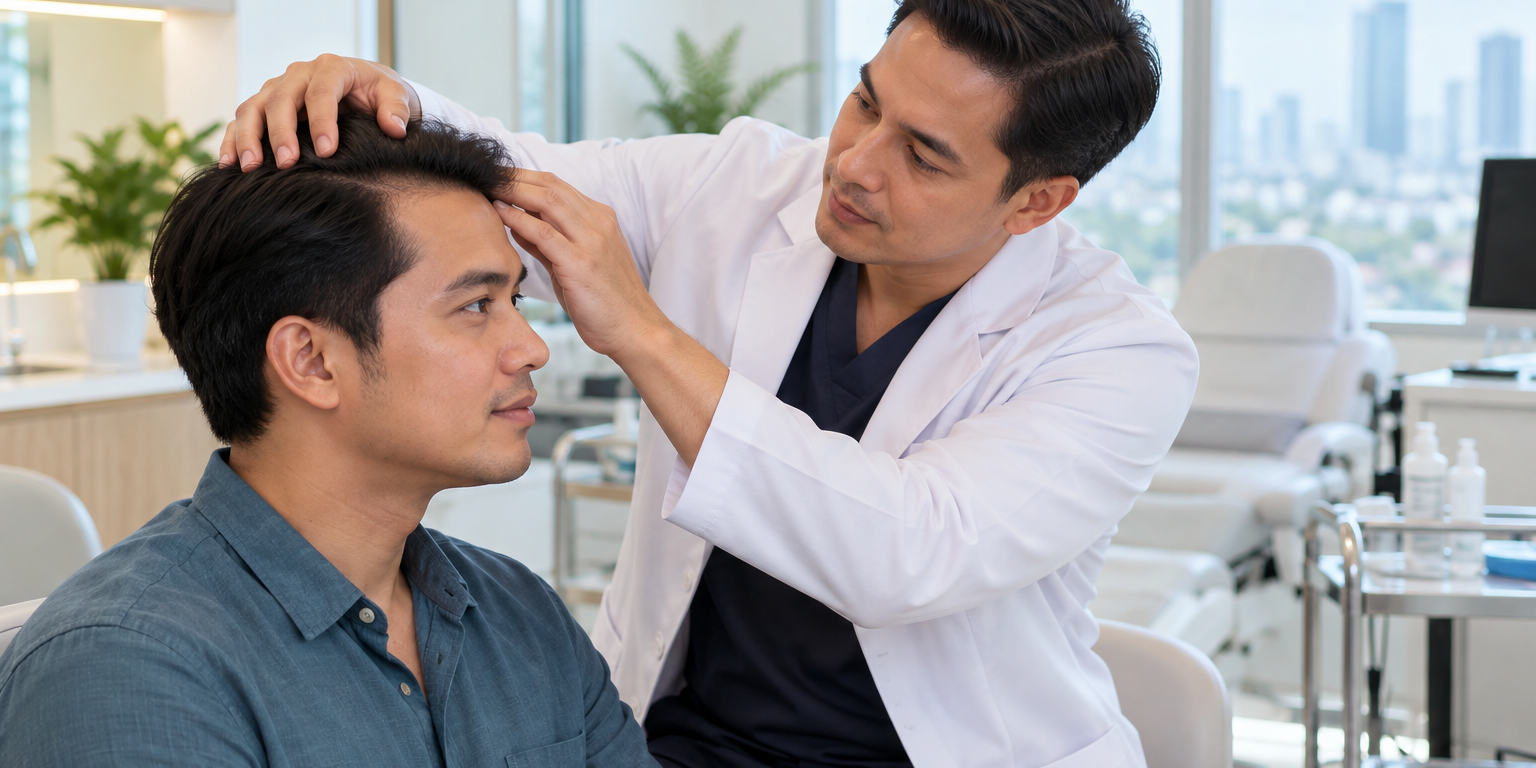
A hair transplant moves a patient’s own follicular units from a donor area to areas affected by hair loss. Although modern techniques are generally well tolerated, the treatment is still surgery. Understanding possible hair transplant side effects helps patients prepare for recovery, recognize warning signs, and ask better questions before choosing a procedure.
Some redness, tenderness, crusting, swelling, or temporary shedding may be part of normal healing. Infection, persistent bleeding, worsening pain, poor wound healing, or an unexpected change in skin color can indicate a complication that needs prompt medical attention. The exact experience varies with the procedure, graft count, scalp condition, medical history, and individual healing response.
Expected Recovery Symptoms Versus Complications
The word “side effect” is often used for both temporary recovery symptoms and medical complications. It helps to separate the two:
| Usually expected during healing | Needs clinical advice |
|---|---|
| Mild tenderness, tightness, redness, small crusts, or limited swelling that gradually improves | Pain, redness, warmth, swelling, or discharge that is increasing rather than settling |
| Temporary itching or reduced sensation around treated areas | Severe or persistent numbness, marked sensitivity, or symptoms that concern you |
| Shedding of transplanted hair shafts before new growth begins | Signs of poor wound healing, significant graft loss, or skin that becomes dusky, gray, or black |
Your surgeon should explain what is normal for your specific procedure and give you a way to report concerns after you leave the clinic.
Common Short-Term Hair Transplant Side Effects
Tenderness and Discomfort
The donor and recipient areas may feel tender, tight, or sensitive after local anesthesia wears off. Discomfort should generally become easier to manage as healing progresses. Take only medicines approved or prescribed by your clinician, because some products can affect bleeding or interact with other medication.
Redness, Crusting, and Itching
Small crusts can form around newly placed grafts, while the surrounding skin may look pink or red. Itching can accompany healing, but scratching may disturb grafts or damage the skin. Follow the clinic’s washing instructions and avoid picking at crusts.
Swelling
Some patients develop swelling around the scalp or forehead during the early recovery period. Your clinical team may recommend positioning, activity limits, or other measures based on your case. Rapidly worsening swelling, breathing difficulty, or symptoms of an allergic reaction require urgent assessment.
Temporary Numbness or Altered Sensation
Small sensory nerves can be affected when follicles are harvested or implanted. Temporary numbness, tingling, or increased sensitivity may occur. Persistent or severe changes should be discussed with the surgeon.
Shedding and Shock Loss
Transplanted hair shafts commonly shed before the follicles begin a new growth cycle. Temporary shedding can also affect nearby non-transplanted hair. This is often called shock loss. Regrowth takes time, and the timeline is not identical for every patient. Continued hair loss in untreated areas can also change the overall appearance, which is why long-term planning matters.
Possible Hair Transplant Complications
Infection and Folliculitis
Infection is uncommon but possible after any operation. Increasing redness, warmth, swelling, worsening pain, pus-like drainage, fever, or feeling unwell should be reported promptly. Folliculitis, which is inflammation around hair follicles, may look like small tender bumps or pustules and should be assessed if it persists or spreads.
Bleeding and Hematoma
Minor spotting can occur early in recovery. Persistent bleeding, a rapidly enlarging swelling, dizziness, or bleeding that does not respond to the clinic’s instructions needs prompt medical advice. Tell the surgeon about prescription medicines, supplements, alcohol use, and any history of unusual bleeding before surgery. Never stop prescribed medication unless the clinician who manages it approves the change.
Scarring
Every surgical harvesting method creates some form of scar. Individual extraction sites from FUE typically leave small round marks, while FUT creates a linear donor scar where a strip is removed and the wound is closed. Scar visibility depends on technique, healing, hair length, skin characteristics, and a person’s tendency to form raised scars or keloids.
Poor Growth, Graft Failure, or an Unnatural Appearance
Not every transplanted follicle will necessarily grow as planned. Growth can be affected by graft handling, placement, blood supply, aftercare, smoking, medical conditions, and other factors. Overharvesting can thin the donor area, while poor hairline planning, incorrect angles, or uneven distribution can create an unnatural result. No ethical consultation should guarantee a particular density or outcome.
Rare but Serious Tissue Injury
Delayed wound healing, wound separation, and skin necrosis are rare but serious complications. Contact the clinic urgently if pain escalates, the wound opens, or skin becomes unusually pale, dusky, gray, or black. Serious allergic reactions to medication or anesthesia also require emergency care.
Do FUE and FUT Have Different Risks?
Both techniques move follicular units, but they harvest donor hair differently. In Follicular Unit Excision or Extraction (FUE), individual follicular units are removed through small circular openings. Risks can include pinpoint scarring, uneven donor thinning if too many follicles are harvested, buried or damaged grafts, and temporary donor-area sensitivity.
In Follicular Unit Transplantation (FUT), a strip of donor scalp is removed and closed. This produces a linear scar and involves wound-healing considerations such as tension, scar widening, suture-related irritation, or wound separation. FUT may be appropriate for some patients and FUE for others; neither method is automatically the safest or best choice for everyone.
A consultation should compare donor density, scalp flexibility, hairstyle preferences, expected graft needs, previous procedures, medical history, and future hair loss before a technique is recommended.
Who May Have a Higher Risk of Problems?
Risk is individualized. Factors that may affect candidacy or healing include:
- Uncontrolled diabetes, hypertension, bleeding conditions, or other significant medical concerns
- Medicines or supplements that alter bleeding, clotting, or wound healing
- Smoking or nicotine exposure
- Active scalp infection, inflammation, or certain scarring alopecias
- A personal or family tendency toward hypertrophic scars or keloids
- Limited donor density, extensive prior harvesting, or unstable hair loss
- Expectations that cannot be met with the available donor supply
A qualified clinician may request medical clearance, laboratory testing, or treatment of an underlying scalp condition before recommending surgery. Some patients may be advised to consider non-surgical management first.
What Hair Transplant Recovery May Look Like
Recovery instructions vary, so the schedule given by your surgeon takes priority. In broad terms, the first several days focus on protecting grafts and keeping the scalp clean according to clinic instructions. Redness, crusting, swelling, and tenderness should be monitored for improvement. During the following weeks, crusts usually resolve and transplanted shafts may shed. Visible new growth develops gradually over the following months rather than immediately.
Patients considering treatment in Metro Manila can review Maxim’s Manila and Makati clinic information. Those in the Visayas or nearby regions can review the Cebu clinic and treatment information. Ask which follow-up visits are expected, how remote questions are handled, and whom to contact after hours.
Ways to Reduce Avoidable Hair Transplant Risks
- Provide a complete medical history, including allergies, previous surgery, scalp conditions, and all medicines and supplements.
- Choose a clinician who evaluates the cause and stability of hair loss, not only the desired hairline.
- Ask who will perform each surgical step and how donor-area limits are determined.
- Follow written instructions for washing, sleeping position, activity, sun exposure, and medication.
- Avoid scratching, picking crusts, or applying unapproved products to healing areas.
- Attend recommended follow-up appointments and report unusual symptoms early.
When Should You Contact the Clinic?
Contact your hair transplant team promptly for bleeding that continues, worsening pain, spreading redness, increasing warmth or swelling, foul-smelling or pus-like drainage, fever, an opening wound, or unusual skin discoloration. Seek emergency care for trouble breathing, facial or throat swelling, fainting, chest pain, or another severe reaction. When in doubt, it is safer to ask the clinical team than to wait for a concerning symptom to become worse.
Questions to Ask Before a Hair Transplant
- What diagnosis is causing my hair loss, and is it stable enough for surgery?
- Why do you recommend FUE, FUT, a hybrid plan, or a non-surgical option for me?
- What side effects and complications are most relevant to my health and scalp?
- What scarring should I expect with my chosen harvesting method?
- How will you protect my donor area and plan for future hair loss?
- Which symptoms are normal, and which require a call or urgent care?
- Who provides follow-up care if I live outside Manila or Cebu?
- What outcome is realistic with my available donor hair?
Make an Informed Decision About Hair Restoration
Hair transplant risks cannot be reduced to zero, but careful assessment, appropriate surgical planning, clear informed consent, and attentive aftercare can reduce avoidable problems. A responsible plan should account for your diagnosis, donor supply, overall health, preferred hairstyle, and the possibility of future hair loss.
If you are considering treatment in the Philippines, request a professional consultation with Maxim Hair Restoration Philippines to discuss your eligibility, the differences between FUE and FUT, your individual risk factors, and the recovery plan that would apply to you.