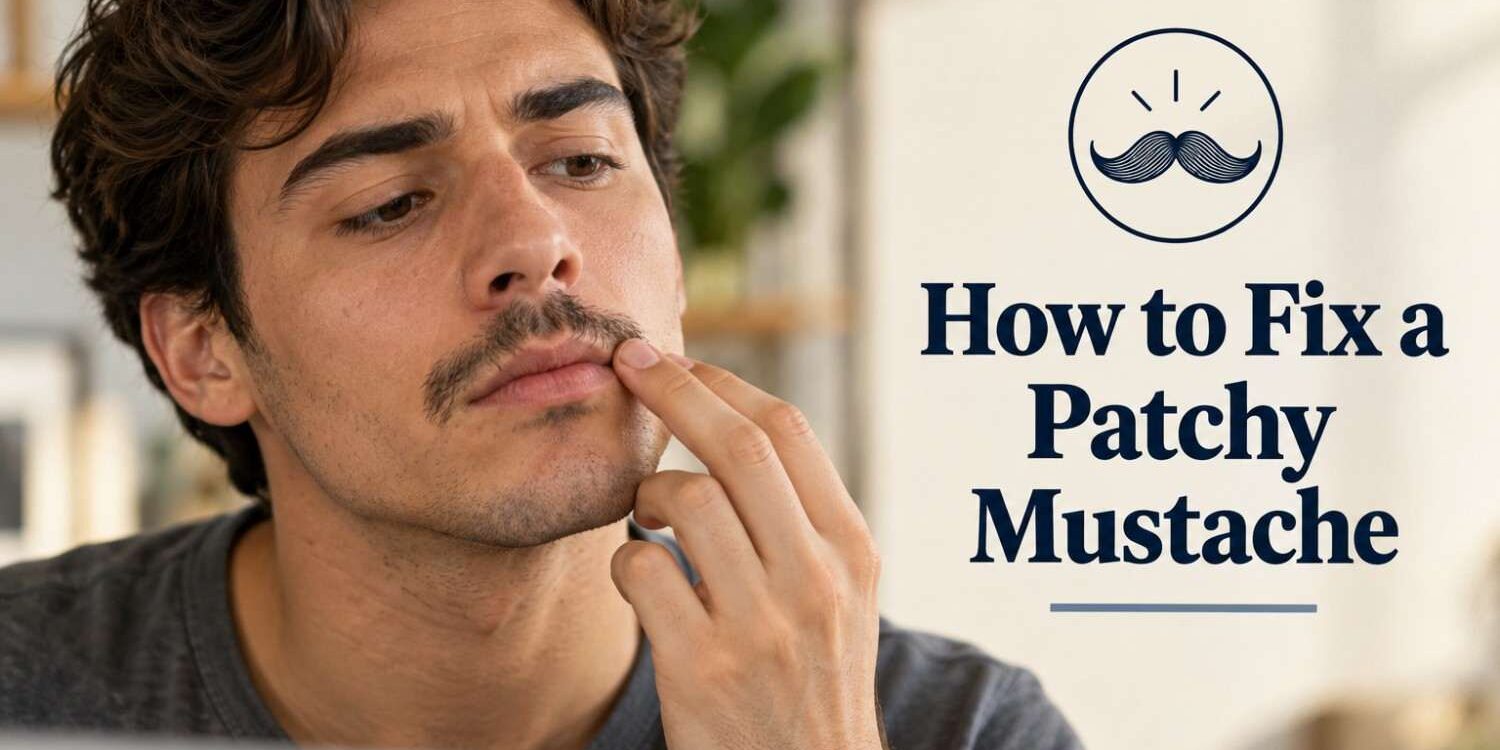
Learning how to fix a patchy mustache starts with giving your facial hair enough time to grow. Let your mustache grow for at least six to eight weeks. Longer hairs may cover thin or sparse spots. This can also help you see your natural hair growth pattern.
If gaps remain, other options may help improve the look of your mustache. Maxim Hair Restoration – Philippines helps men explore facial hair restoration options. A proper check can help find an approach that fits your hair growth, needs, and goals.
What Does a Patchy Mustache Look Like and Why Does It Happen?
A patchy mustache has areas where facial hair looks thin or uneven. Some spots may have less hair than others. In some men, one side may look fuller than the other. Others may have small areas where very little hair grows. A gap can also appear in the center of the mustache. This area sits above the upper lip. The small groove between the nose and upper lip is called the philtrum. Hair may naturally grow less in this area.
A center gap does not always mean there is a problem. Facial hair grows in different ways for each person. Some men have thick hair across the whole upper lip. Others have thin areas or clear gaps. If you want to know how to fix a patchy mustache, it helps to understand why the gaps appear first. The cause can affect which option may work best.
Genetics Can Affect Mustache Growth
Your genes play a major role in facial hair growth. They can affect how much hair grows and where it grows.
Genes may affect:
- Density: Some men naturally have more facial hair follicles than others.
- Pattern: Hair may grow well in one area but stay thin in another.
- Hair texture: Facial hair can be thick, fine, straight, or curly.
- Hair spread: Follicles may not grow evenly across the upper lip.
You cannot change your genes. However, grooming may help make some thin areas less easy to see.
Age Can Affect Facial Hair
Facial hair can change as a person gets older. Some younger men may have less hair on the upper lip. Growth may become fuller with age, but this does not happen for everyone. A thin area may remain because of a person’s natural hair pattern.
Natural Growth Patterns Can Cause Gaps
Not every gap is a sign of hair loss. Some men simply have fewer follicles in certain parts of the mustache. The center is a common place for a gap. One side may also grow faster or thicker than the other.
Hormones Play a Role
Male hormones called androgens help control facial hair growth. Hair follicles can respond to these hormones in different ways. A patchy mustache does not mean a man has low testosterone. Many factors can affect facial hair.
Skin Problems May Affect Hair
Some skin or hair problems can cause facial hair to become thin or fall out. Watch for sudden changes, itching, redness, scaling, or clear bald spots. A doctor can check these signs and help find the cause.
Scars and Injuries Can Affect Follicles
Cuts, burns, surgery, or other injuries may damage the skin and hair follicles. Hair may grow poorly in these areas. When a gap stays because follicles are missing or damaged, grooming alone may not fill it. A specialist can assess the area and explain possible options. For some suitable patients, a hair transplant in the Philippines may include facial hair restoration to place follicles in sparse areas.
How to Fix a Patchy Mustache: Start With Growth and Good Grooming
Learning how to fix a patchy mustache often starts with patience. Give your mustache time to grow before you decide that it is too thin.vTry to let it grow for about six to eight weeks. Avoid cutting it too short during this time. Some hairs grow faster than others. Slower hairs may need more time to reach a useful length.
Longer hairs can also cover small gaps. This can make your mustache look more even. However, waiting cannot create new hair follicles in areas where they are absent.
During the growth period, follow a few simple steps:
- Avoid over-trimming: Cutting too much can expose thin spots.
- Give slow hairs time: Some hairs need more time to grow.
- Check each area: Watch how the center and sides fill in.
- Take photos: Photos can help you compare your growth over time.
- Keep it clean: Wash your mustache and the skin under it with care.
- Shape when needed: Remove stray hairs without cutting too much length.
Brush or Comb Your Mustache
A small mustache comb or brush can help control longer hairs. Brush them toward thin spots when possible. This may cover small gaps and give the mustache a fuller shape. Brushing changes how the hair sits. It does not increase the number of follicles.
Choose the Right Length and Trim With Care
A very short mustache can make thin areas stand out. A little extra length may help hide mild gaps. Trim only the hairs that affect the shape. Avoid cutting all areas to match the thinnest part. This may make the whole mustache look less full.
Keep Your Mustache and Skin Clean
Wash the area with a mild product. This can remove dirt, oil, and dead skin. Dry the area with care after washing. Clean skin also makes daily grooming more pleasant. Avoid harsh products if they cause dryness or irritation.
Can Beard Oil Help?
Beard oil can help soften dry facial hair. It may also keep the skin under your mustache moist. This can make the hair easier to brush and shape. Some oils contain ingredients such as argan or rosemary oil. These products may support grooming, but they cannot promise new mustache growth. Moisturizing existing hair is not the same as creating new follicles.
Mustache wax can also help hold longer hairs over small gaps. Use only a small amount to avoid a heavy look. If an area has very few or no healthy follicles, grooming has limits. Men with lasting gaps may choose to learn about a facial hair transplant. This procedure moves suitable hair follicles into sparse areas. A specialist can assess whether this option fits the person’s needs.
Can Diet, Sleep, Shaving, or Minoxidil Help a Patchy Mustache?
If you want to know how to fix a patchy mustache, it helps to look at your health and daily habits. Food, sleep, and stress can support normal hair health. However, they cannot create hair follicles that are not there.
Eat a Balanced Diet
Your body needs enough food and nutrients to support normal hair growth. A balanced diet can give your body what it needs.
Important nutrients include:
- Protein: Eggs, fish, chicken, beans, and milk are good sources.
- Iron: Meat, beans, and leafy green vegetables contain iron.
- Zinc: Meat, eggs, nuts, and seeds can provide zinc.
- Vitamins: Fruits and vegetables provide many useful vitamins.
- Healthy fats: Fish, nuts, seeds, and avocado provide healthy fats.
- Water: Drinking enough water supports your general health.
No single food can make a patchy mustache become full. Diet also cannot change your genes or create missing follicles. Do not assume you need biotin or other supplements. Taking extra vitamins may not help if you do not have a lack of them. Ask a doctor if you think you have a nutrient shortage.
Get Enough Sleep and Manage Stress
Sleep gives your body time to rest and recover. Good sleep also supports your general health. Long periods of stress may affect normal hair cycles in some people. Try to make time for sleep, exercise, rest, and healthy meals. Still, more sleep will not always fill mustache gaps. Genetics and the number of follicles also affect growth.
Good grooming can help keep existing facial hair clean and easy to manage. Products such as Maxim shampoo and conditioner may form part of a regular hair care routine when used as directed. However, grooming products should not be viewed as a way to create new facial hair follicles.
Does Shaving Make Your Mustache Thicker?
No. Shaving does not increase the number of hair follicles. A shaved hair has a blunt end. As it grows, this end may feel rough or thick. It can also look darker for a short time. This change affects how the hair looks and feels. It does not mean the follicle has become thicker or that more follicles have formed.
What About Minoxidil?
Minoxidil is a medicine used for certain types of scalp hair loss. Some people also discuss its use for facial hair. However, using topical minoxidil on the face for mustache growth may be an off-label use. This means facial hair growth is not its standard approved use. Minoxidil can also cause side effects. These may include dry skin, redness, itching, or irritation. Other side effects may also occur.
Do not assume minoxidil will fill every mustache gap. Results can vary, and the cause of patchiness matters. Speak with a qualified healthcare professional before putting minoxidil or another hair-loss medicine on your face. A professional can review your health, skin, and hair concerns before suggesting a suitable next step.
When Should You Consider Professional Care for a Patchy Mustache?
Some men try derma rollers when they want fuller facial hair. A derma roller has many small needles. These needles make tiny holes in the skin. This process is also called microneedling. Microneedling is sometimes used or studied for certain types of scalp hair loss. However, facial skin is different. Research and treatment plans for scalp hair do not always apply to mustache growth.
Using a derma roller on the face also has risks. These may include redness, pain, skin irritation, infection, or skin damage. Poor cleaning or the wrong technique may raise these risks. A derma roller should not be seen as a sure way to grow new mustache hair. Speak with a qualified health professional before trying an invasive skin treatment.
When Should You See a Doctor?
A patchy mustache can be part of your natural hair pattern. However, sudden or unusual changes may need a medical check.
Watch for these signs:
- Sudden hair loss: Fast changes may need a closer look.
- Round bald patches: Clear patches can have several possible causes.
- Red skin: Redness or swelling may point to a skin problem.
- Scaling or itching: A doctor can check the skin and find possible causes.
- Scarring: Scar tissue may affect normal hair growth.
- Hair loss elsewhere: Losing hair in other areas may need further checks.
- Other health changes: Tell your doctor about other unexplained symptoms.
These signs do not prove that you have a health problem. A doctor can assess the area and help find the cause.
What If the Gaps Stay?
Learning how to fix a patchy mustache also means knowing the limits of home care. Grooming can make existing hair look fuller. It cannot create follicles where none exist. Some gaps may stay because of genes, low natural hair density, scars, injuries, or your natural growth pattern.
Hair care products and supplements may support a normal care routine. For example, Maxim hair vitamin may be used as directed. However, supplements should not be viewed as a way to replace missing hair follicles.
Can a Mustache Hair Transplant Help?
A facial hair transplant may be an option for some men with lasting gaps. Maxim Hair Restoration – Philippines can assess the mustache and donor hair before discussing treatment. During a transplant, suitable follicles are taken from a donor area. The doctor then prepares tiny sites in the sparse parts of the mustache. Each follicle is placed with care.
The angle and direction matter. Mustache hair sits differently from scalp, beard, or eyebrow hair. Careful placement can help transplanted hairs follow the planned mustache pattern. The process also includes healing and follow-up care. New growth takes time, and each patient can have a different experience. Not everyone is a good candidate. A consultation can help assess the donor area, skin, facial hair pattern, goals, and possible risks. Results, density, and growth cannot be guaranteed.
Who May Consider a Mustache Transplant?
A mustache transplant may be worth discussing when gaps stay after giving facial hair enough time to grow. However, not every patchy mustache needs surgery. A doctor must first check each person’s hair, skin, health, and goals.
Men may seek an assessment for several reasons:
- Naturally sparse hair: Some men naturally grow less hair above the upper lip.
- Lasting gaps: Certain areas may stay thin even after several weeks of growth.
- Uneven growth: One side of the mustache may look fuller than the other.
- Scarring: Scar tissue may have fewer healthy hair follicles.
- Past injuries: Cuts, burns, or other injuries may affect hair growth.
- Mustache shape: Some men may want to improve the shape or outline.
- Low hair density: The mustache may remain thin even after enough growth time.
When learning how to fix a patchy mustache, it is important to have realistic goals. A transplant adds suitable hair follicles to selected areas. However, it cannot promise a certain level of thickness or a perfect result. A consultation can help determine if surgery is suitable.
What Happens During a Facial Hair Transplant Consultation?
A consultation gives the patient and doctor time to discuss the mustache and possible treatment options. Maxim Hair Restoration – Philippines can assess the facial hair pattern before suggesting a treatment plan. The doctor may first ask about your medical history. This can include past health issues, medicines, surgery, and previous hair loss.
Your facial hair also needs a close check. The doctor may look at the thin areas, skin condition, natural growth pattern, and available donor hair. Donor hair is the hair used for the transplant. You can also discuss the mustache shape you want. The doctor can explain what may be possible based on your existing hair and donor supply.
The consultation may cover:
- The number and location of sparse areas
- Your natural mustache growth pattern
- Available donor hair
- Possible procedure methods
- Expected hair density
- Healing and recovery
- Possible risks
- Expected growth stages
- Hair transplant cost
- Limits of the procedure
Cost can vary based on the treatment plan and the amount of work needed. A clinic should explain the expected fees before you decide to proceed. Use the consultation to ask questions. Learn about the possible benefits, risks, recovery, costs, and limits. This information can help you make a clear and informed choice about facial hair restoration.
How Long Does a Mustache Transplant Take to Grow?
A mustache transplant does not give its final look right after the procedure. The transplanted area needs time to heal. The hair also goes through several growth stages. During early healing, the skin may look red or feel sensitive. Small crusts may also form around the transplanted hairs. Follow the clinic’s care advice during this stage.
Some transplanted hairs may later shed. This can be a normal part of the process. Shedding does not always mean the transplanted follicles have failed. New hairs may start to appear as the follicles enter a new growth stage. The mustache can then develop over time. Hair growth speed, thickness, and coverage can differ from person to person.
Longer-term changes may continue as the transplanted hairs mature. There is no single growth timeline that applies to every patient. Your doctor can explain what to expect based on your treatment. Follow-up visits also matter. They allow the clinic to check healing and hair growth. Patients should follow all care steps given by their doctor.
Natural Methods vs. Mustache Hair Transplant
When learning how to fix a patchy mustache, it helps to know what each option can and cannot do.
| Option | Main Purpose | Can It Create New Follicles? | Time Needed | Key Consideration |
| Letting hair grow | Improve natural coverage | No | Several weeks | Uses existing hair |
| Grooming and styling | Cover small gaps | No | Fast cosmetic change | Results are temporary |
| Skin and hair care | Support clean skin and hair | No | Ongoing | Cannot replace missing follicles |
| Medical treatment | Treat a diagnosed cause | Depends on the cause | Varies | Needs medical advice |
| Mustache transplant | Add transplanted follicles | Adds follicles to selected areas | Longer process | Requires surgery and assessment |
No single option is right for every person. Mild gaps may look better after more growth or careful grooming. Skin and hair care can also support a clean and healthy-looking mustache. Some people search for vitamins for hair loss when they notice thin hair. Supplements may help when a real nutrient shortage exists. They should not be expected to create missing follicles without a medical reason.
Skin problems can also affect how facial hair looks. For example, people may confuse different causes of flakes or irritation when comparing dandruff vs psoriasis. A doctor can assess unusual skin changes instead of relying on self-diagnosis. A mustache transplant may be discussed when gaps remain and suitable donor hair is available. Surgery is not automatically the best choice. The right approach depends on the cause, health, goals, existing hair, and amount of patchiness.
Ready to Improve Your Patchy Mustache?
If you want to learn how to fix a patchy mustache, Maxim Hair Restoration – Philippines can help you explore your options. Our team can assess your facial hair, discuss your goals, and explain if a mustache transplant may suit you. Each treatment plan depends on your hair, skin, donor area, and needs. Contact us to schedule a consultation and learn more about facial hair restoration.
FAQs
1. How can I fix a patchy mustache naturally?
Learning how to fix a patchy mustache can start with patience. Let your mustache grow for six to eight weeks. Careful trimming and grooming may help longer hairs cover small gaps. Healthy food and good skin care can also support normal hair health.
2. How long should I let a patchy mustache grow?
Try giving your mustache about six to eight weeks before judging its natural growth pattern. Some hairs grow more slowly than others. Extra growth time may help thin areas look fuller.
3. Does shaving make a patchy mustache grow thicker?
No. Shaving does not increase the number of hair follicles. New growth may feel thicker because shaved hairs have blunt ends. However, shaving does not create new follicles or change natural hair density.
4. Can a hair transplant help with mustache gaps?
A mustache transplant may help suitable patients add transplanted follicles to sparse areas. A doctor must first check your facial hair, skin, donor hair, and goals. Results and hair density can vary between patients.
5. When should I see a doctor about a patchy mustache?
Consider seeing a doctor if you notice sudden hair loss, clear bald patches, redness, itching, scaling, or scarring. You should also seek advice if hair loss appears in other areas. A doctor can assess the possible cause and discuss suitable options.