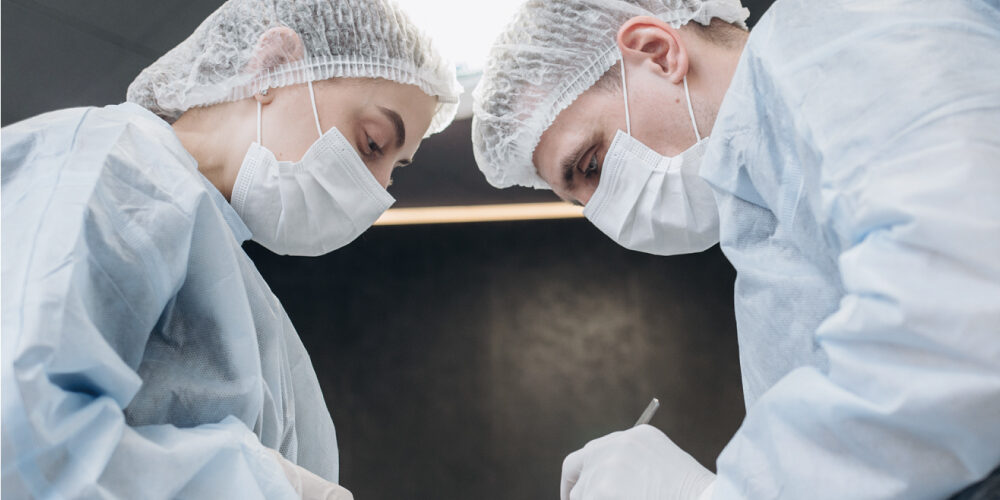
A hair transplant procedure is a surgical treatment that moves healthy hair follicles from a donor area, usually the back or sides of the head, to areas where hair is thinning or missing. Doctors perform this treatment using local anesthesia to keep the scalp numb and comfortable. The two common methods are FUE, which removes individual hair follicles, and FUT, which removes a thin strip of scalp with hair. During the procedure, the doctor designs the hairline, removes healthy follicles, prepares the grafts, and carefully places them in the bald areas. The full process usually takes 4 to 12 hours, depending on the number of grafts needed.
At Maxim Hair Restoration – Philippines, experienced specialists perform this treatment using modern hair restoration techniques. The clinic focuses on careful planning and precise graft placement to help patients achieve natural-looking hair growth.
Step-by-Step Guide to the Hair Transplant Process
Many readers ask what is the procedure of hair transplant and what happens during treatment. Each stage focuses on moving healthy hair to thinning areas.
Doctors follow several hair transplant procedure steps to create natural hair growth. These steps help protect the hair follicles and support healthy results. Clinics that perform hair transplant in the Philippines usually follow this same careful method.
Below is a simple guide to the treatment stages.
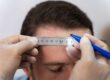
Consultation and Hairline Design
The process begins with a detailed consultation. The doctor studies the scalp and checks the pattern of hair loss.
During this step, the doctor will:
- Examine the scalp condition
- Study the donor hair area
- Talk about the patient’s goals
- Plan the new hairline shape
The doctor then draws the new hairline. This plan helps guide the rest of the treatment. A well-designed hairline helps the final result look natural.
Local Anesthesia
Before treatment begins, the doctor applies local anesthesia to the scalp. This step numbs the donor and transplant areas. It helps keep the patient comfortable during the procedure. Patients remain awake during the treatment. However, they usually feel little or no pain. This stage is quick but very important for comfort and safety.
Donor Hair Extraction
Next, the doctor collects healthy hair follicles from the donor area. This area is usually the back or sides of the head. Hair in this region is strong and resistant to hair loss. That is why doctors choose it as the donor source.
During this stage:
- The doctor removes healthy follicles
- Each follicle is handled carefully
- The follicles are preserved for transplant
This careful extraction helps maintain the health of the grafts.
Graft Preparation
After extraction, the follicles are prepared for transplantation. Trained technicians examine each follicle under a microscope. This step helps them check the quality of the grafts.
During preparation:
- Technicians sort the grafts
- They protect the follicles in a safe solution
- They organize the grafts for placement
Careful preparation helps improve survival of the transplanted hair.
Implantation of Hair Follicles
The final stage is the placement of the grafts. The doctor creates tiny openings in the thinning areas of the scalp. These openings guide the direction of the new hair. Then the doctor places each follicle into the scalp.
This step requires skill and precision because:
- The angle of the hair must look natural
- The spacing must match the surrounding hair
- The grafts must remain healthy
When done carefully, the new hair blends well with existing hair.
Recovery After a Hair Transplant Procedure
Many people want to know what happens after treatment. They often ask what is the procedure of hair transplant and how long recovery takes. Healing is usually simple when patients follow proper care.
Doctors explain the recovery plan after the treatment. Knowing the healing stages helps patients stay calm and prepared. This knowledge is also helpful for people understanding hair transplant in the Philippines, where many clinics follow careful aftercare steps.
The First Few Days After Treatment
The scalp may feel tender during the first few days. Mild swelling or redness can also appear. These effects are normal and usually fade quickly. Small scabs may form around the transplanted hair. These scabs protect the grafts while they heal. During this time, patients should rest and avoid touching the scalp too much.
Important reminders for the first days include:
- Sleep with the head slightly raised
- Avoid scratching the scalp
- Follow the washing instructions given by the doctor
- Take prescribed medicine if needed
These steps help protect the new grafts and support healing.
Healing During the First 14 Days
The first two weeks are very important. The grafts slowly settle into the scalp during this time. Most scabs fall off within 7 to 14 days. The scalp also begins to look more normal.
Patients may notice some shedding of the transplanted hairs. This stage is called shock loss. It is a normal part of recovery. During this period, doctors often remind patients about proper care after the hair transplant procedure to help protect the grafts. Following the correct care plan during these days supports healthy growth later.
Care Instructions During Recovery
Doctors provide simple aftercare instructions to help the scalp heal safely. Patients should follow these steps closely.
Helpful care tips include:
- Wash the hair gently after the recommended time
- Avoid heavy exercise for several days
- Stay away from direct sunlight on the scalp
- Do not wear tight hats during early healing
- Avoid smoking and alcohol during recovery
These simple habits support better healing and protect the transplanted hair. Patients who learn about recovery while studying the hair transplant procedure steps often feel more confident before treatment.
When Hair Growth Begins
New hair growth does not appear right away. Most patients begin to see early growth after three to four months. The hair becomes thicker over time. Full results often appear within six to twelve months.
For many people researching understanding hair transplant in the Philippines, learning about the recovery timeline helps them set realistic expectations. Patience is important during this stage because hair growth takes time. With proper care, the new hair usually grows in a natural and healthy way.
Hair Growth Timeline After the Procedure
Many people ask what is the procedure of hair transplant and when new hair will begin to grow. Hair growth takes time. The body needs time to heal and support new follicles.
Doctors often explain the timeline before treatment. Learning the healing stages helps patients understand what to expect. People who study the hair transplant procedure steps often feel more confident about the process and recovery.
Healthy growth also depends on good aftercare. A gentle hair care routine and the right shampoo for hair growth can help protect the scalp during recovery. Below is a simple month-by-month guide to the hair growth timeline.
| Time After Treatment | What Usually Happens | Helpful Hair Care Tips |
| 1 Month | The scalp continues to heal during the first month. Some transplanted hairs may shed. This stage is normal and part of recovery after the hair transplant procedure. New follicles remain safely under the skin. | • Wash hair gently with mild products• Use a recommended shampoo for hair growth• Avoid scratching the scalp |
| 3 Months | Early hair growth may begin around the third month. The new hair can look thin and soft at first. Many patients notice small strands growing in the treated areas. | • Follow a gentle hair care routine• Keep the scalp clean• Avoid harsh chemicals |
| 6 Months | Hair growth becomes more visible at six months. The new hair slowly becomes thicker and stronger. The hairline may start to look fuller. | • Continue using a mild shampoo for hair growth• Eat healthy foods that support hair health |
| 12 Months | Most patients see the full result within twelve months. The hair grows naturally and blends with existing hair. Density and coverage usually look much better at this stage. | • Maintain a healthy hair care routine• Protect the scalp from strong sun exposure |
Two Common Methods Used for Hair Transplant Treatment
Many patients ask what is the procedure of hair transplant and which method doctors use during treatment. In most clinics, doctors use two main techniques. Both methods follow similar hair transplant procedure steps, but the way hair follicles are collected is different.
Below are the two common methods doctors use today.
FUE Hair Transplant Procedure
The FUE hair transplant method stands for Follicular Unit Extraction. Doctors remove hair follicles one by one from the donor area. This method is popular because it is less invasive and leaves very small marks.
Key points of FUE include:
- Individual follicle removal
- Tiny tools used for extraction
- Minimal scarring on the scalp
- Faster healing for many patients
Doctors often choose FUE for patients who prefer short hair or want a quicker recovery.
FUT Hair Transplant Procedure
The FUT hair transplant method stands for Follicular Unit Transplantation. In this method, the doctor removes a small strip of scalp from the donor area. Hair follicles are then separated from this strip and prepared for placement.
Important details about FUT include:
- A strip of scalp is carefully removed
- Hair grafts are prepared from the strip
- Doctors may recommend this method when many grafts are needed
Both methods can provide natural results when performed by trained specialists.
Start Your Hair Restoration Journey Today
Hair loss can affect confidence, but the right treatment can help restore natural hair growth. A professional consultation can help you understand your options and learn if a transplant is the right solution for you.
If you want to learn more about the process, results, and personalized treatment plans, contact us today. The team at Maxim Hair Restoration – Philippines is ready to guide you through every step of your hair restoration journey. Reach out now to schedule your consultation and take the first step toward fuller, natural-looking hair.
FAQs
1. What is the procedure of hair transplant?
A hair transplant is a treatment that moves healthy hair follicles from one part of the scalp to areas with thinning hair. Doctors carefully place these follicles so new hair can grow in a natural direction.
2. Who is a good candidate for a hair transplant?
A good candidate is someone with stable hair loss and healthy donor hair on the back or sides of the head. Many people with male or female pattern hair loss may qualify for treatment. A consultation helps determine if the treatment is suitable.
3. How long does a hair transplant procedure take?
The treatment usually takes several hours. Most procedures last between four and twelve hours depending on the number of hair grafts needed.
4. When will new hair start to grow after the treatment?
Some transplanted hair may shed during the first few weeks. New hair usually begins to grow around three to four months after treatment. Full results often appear within twelve months.
5. Is the recovery period long after a hair transplant?
Recovery is usually short. Most patients return to normal daily activities within a few days. The scalp may take about one to two weeks to heal completely.