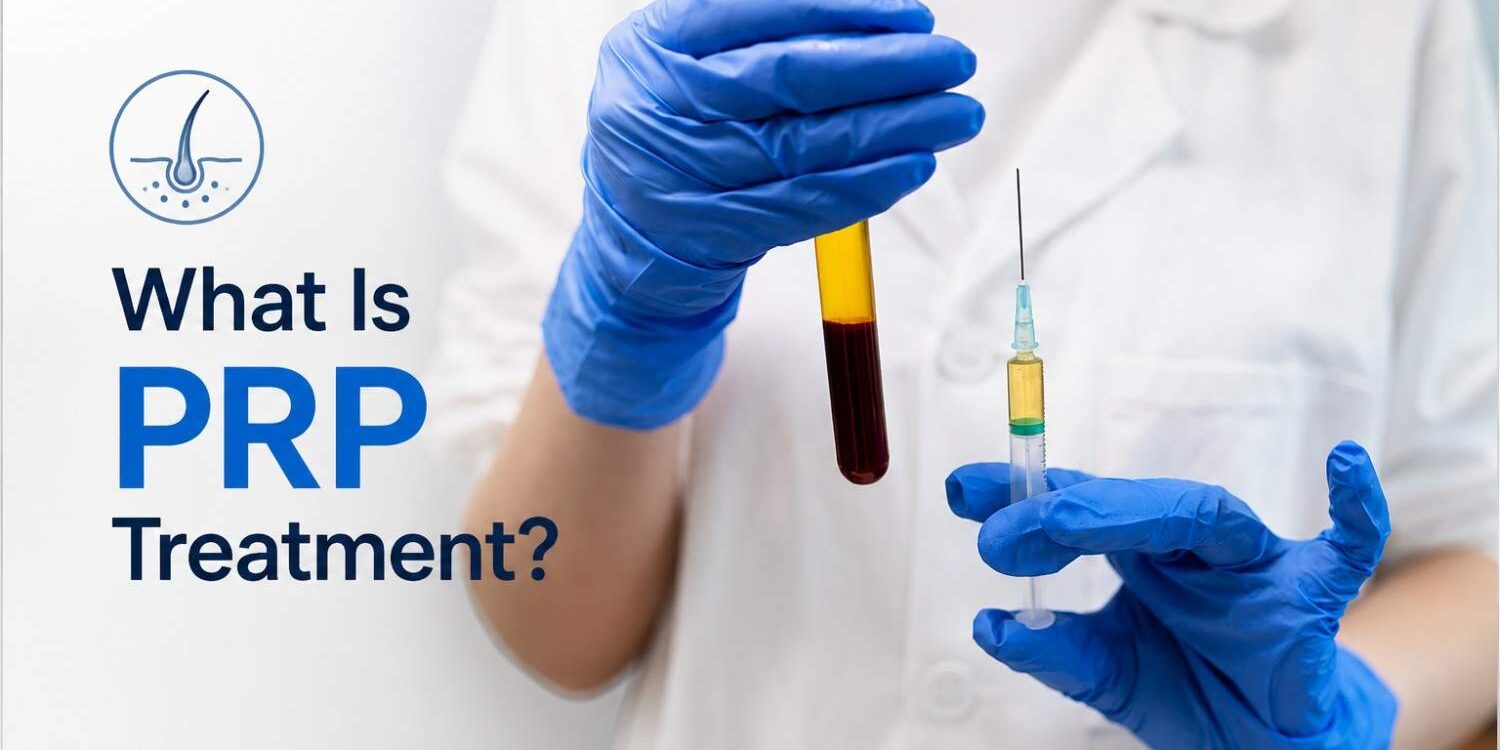
What is PRP treatment? Platelet-Rich Plasma (PRP) treatment is a regenerative therapy that uses platelets from your own blood to support healing and tissue repair. Doctors use it to treat injured joints, tendons, muscles, skin, and hair loss. It is widely used in orthopedics, sports medicine, and dermatology because it may help reduce inflammation and encourage natural healing.
If you are looking for a trusted clinic to learn more about PRP for hair loss, Maxim Hair Restoration – Philippines offers personalized consultations and advanced hair restoration solutions. Their experienced team evaluates your hair condition and recommends the most suitable treatment plan based on your needs and goals. Whether you have early hair thinning or pattern hair loss, they can help you understand if PRP treatment is the right option for you.
What Is PRP Hair Treatment?
Many people ask what PRP treatment is and how it can help with hair loss. The answer is simple. PRP hair treatment uses a small amount of your own blood to support healthier hair growth. First, a healthcare provider separates the platelets from your blood. Then, those platelets are placed into areas of the scalp where the hair is thinning. In other words, the treatment helps wake up weak hair follicles and supports natural hair growth.
Unlike general PRP therapy, what is PRP treatment for hair focuses only on the scalp and hair follicles. General PRP may help joints, muscles, or skin heal after an injury. Also, PRP for hair is made to improve hair thickness and slow down hair loss. While both treatments use your own blood, they have different goals.
What Makes PRP Hair Treatment Different?
When people ask, what is a PRP treatment, they often do not know that PRP can treat different parts of the body. Hair PRP is only for the scalp. For instance, it is used to help people with thinning hair, early hair loss, or pattern baldness.
The main differences include:
- General PRP can help joints, muscles, and skin heal.
- PRP hair treatment focuses on the scalp.
- Hair PRP aims to improve hair thickness and strength.
- Hair PRP supports healthy hair follicles instead of injured tissues.
How Does PRP Help Hair Follicles?
Hair follicles are small openings in the skin where each strand of hair grows. Healthy follicles produce strong hair. Weak follicles may produce thin hair or stop growing hair over time. Therefore, keeping the follicles healthy is important for better hair growth.
PRP contains platelets that release natural growth factors. These growth factors may help improve blood flow around the follicles. They can also support healthier cells in the scalp. As a result, weak follicles may become more active and produce thicker hair.
Why Is the Scalp the Treatment Area?
The scalp is where your hair follicles live. During the procedure, the PRP is injected into the parts of the scalp with thinning hair. In addition, this allows the platelets to reach the follicles directly, where they may provide the most benefit.
The treatment usually focuses on areas such as:
- The hairline
- The crown of the head
- Areas with noticeable thinning
- Spots where hair is becoming finer
Understanding the Hair Growth Cycle
Hair does not grow all at once. Each strand follows a natural cycle. After that, old hairs fall out, and new hairs begin to grow from the same follicle.
The hair growth cycle has three main stages:
- Growing stage – Hair grows longer each day.
- Resting stage – Hair stops growing for a short time.
- Shedding stage – Old hair falls out so new hair can grow.
When the cycle is healthy, your hair continues to grow and replace itself. Hair loss can happen when this cycle is interrupted. So, PRP may help support healthier follicles and encourage them to stay in the growing stage longer.
Who May Benefit from PRP Hair Treatment?
Many people wonder what PRP treatment is and whether it is right for them. PRP may be a good choice for people with early hair thinning or pattern hair loss. It may also help people who want to support the results of a hair transplant in the Philippines.
You may benefit from PRP if you have:
- Mild to moderate hair thinning
- Male or female pattern hair loss
- Weak or fine hair
- Healthy hair follicles that still produce hair
Why Choose Professional Platelet Rich Plasma Services?
Getting treatment from trained professionals is important. Above all, they can check your scalp, explain your options, and create a treatment plan that fits your needs.
Professional platelet rich plasma services often include:
- A full hair and scalp assessment
- Safe blood collection and PRP preparation
- Careful injections into the scalp
- Follow-up visits to track your progress
- Advice on keeping your hair healthy after treatment
Understanding what PRP treatment is can help you make a smart decision about your hair. While PRP is not a cure for every type of hair loss, it may support stronger, healthier hair when used for the right person. A qualified hair restoration specialist can explain your options and help you decide if this treatment matches your goals.
How Does PRP Treatment for Hair Work?
If you are asking what PRP treatment is, it also helps to know how the procedure works. PRP hair treatment is simple and uses your own blood. The process has three main steps, and each one helps prepare the platelet-rich plasma before it is placed into your scalp. In other words, the treatment works by giving your hair follicles extra support to help them grow stronger hair.
Unlike many hair treatments, PRP does not use artificial chemicals. Also, it uses platelets from your own blood, which lowers the chance of your body reacting to the treatment. Learning what PRP treatment for hair can help you feel more confident before your appointment.
Step 1: Blood Collection
The first step is collecting a small amount of blood from your arm. This part feels much like having a routine blood test. For instance, your healthcare provider usually takes only a small sample because that is enough to prepare the PRP.
The blood is placed into a special tube right after it is collected. After that, it is prepared for the next step. This part of the process is quick and usually takes only a few minutes.
During this step, you can expect:
- A small blood sample from your arm
- A clean and safe procedure
- Very little discomfort
- A short waiting time before the next step
Step 2: Centrifuge Process
Once your blood is collected, it is placed into a machine called a centrifuge. In other words, this machine spins the blood very fast to separate its different parts.
The spinning process helps collect the platelets into one layer. These platelets contain natural growth factors that may support healthier hair. Therefore, only the platelet-rich part is prepared for the treatment.
This step helps separate:
- Platelet-rich plasma
- Red blood cells
- White blood cells
- Other parts of the blood
The centrifuge process is important because it creates the PRP used during the treatment.
Step 3: PRP Injection
After the PRP is ready, your healthcare provider injects it into the areas of your scalp with thinning hair. In addition, the injections are placed close to the hair follicles where they may provide the most benefit.
The treatment focuses on the parts of the scalp that need extra support. Some people feel mild pressure or small pinches during the injections, but the procedure is usually well tolerated.
The injections often target:
- The front hairline
- The crown of the head
- Areas with thinning hair
- Spots where hair has become weaker
Understanding what is a PRP treatment is becomes easier when you know that the goal is to place the platelets exactly where your hair needs support.
How Platelets Help Hair Grow?
Platelets are tiny parts of your blood that help your body heal after an injury. Above all, they contain natural growth factors that support healthy cells.
When PRP is injected into the scalp, these growth factors may help improve the area around the hair follicles. Also, they may increase blood flow and encourage weak follicles to become more active. Healthy follicles are more likely to grow thicker and stronger hair.
Although results are different for each person, PRP may help:
- Improve hair thickness
- Support healthier hair follicles
- Reduce ongoing hair shedding
- Encourage stronger hair growth
- Help maintain existing hair
Many people asking what PRP hair treatment is want to know if the process is complicated. The good news is that it is simple, safe, and completed in only a few steps.
Why Understanding the Process Matters?
Knowing what is the PRP treatment is and how it works helps you make informed choices about your hair care. So, you can better understand what happens during each visit and what results you may expect over time.
If you are also understanding hair transplant in the Philippines, PRP may be part of your overall hair restoration plan. Many specialists use it to support healthier hair growth before or after a hair transplant, depending on each person’s needs. Speaking with an experienced hair restoration professional is the best way to learn if PRP is the right option for you.
Who Is a Good Candidate for PRP Hair Treatment?
If you are wondering what PRP treatment is, you may also want to know if it is right for you. PRP is not the best choice for everyone, but it may help many people with early hair loss. In other words, the best candidates still have active hair follicles that can respond to treatment.
Men and Women with Hair Thinning
Both men and women may benefit from PRP treatment for hair. Also, PRP may help people who notice their hair becoming thinner over time. The treatment aims to support healthier hair growth instead of replacing lost hair.
People with Pattern Baldness
People with male or female pattern baldness may be good candidates. For instance, PRP may work best during the early stages of hair loss, when many hair follicles are still active.
People with Stress-Related or Postpartum Hair Loss
Stress and childbirth can lead to temporary hair shedding. In addition, some people choose PRP to help support their hair as it recovers. A hair restoration specialist can decide if this treatment is suitable for your condition.
Age Can Make a Difference
There is no perfect age for what is a PRP treatment. Therefore, doctors focus more on your hair condition than your age. Younger people with early thinning often respond better because their hair follicles are still healthy.
When PRP May Be a Good Option?
You may be a good candidate for what is PRP hair treatment if you:
- Have mild to moderate hair thinning
- Have male or female pattern baldness
- Notice stress-related hair shedding
- Have postpartum hair loss
- Want to improve the results of other hair treatments
- Want to learn more before comparing hair transplant cost
Above all, understanding what is the PRP treatment starts with a professional consultation. A hair restoration expert can examine your scalp, identify the cause of your hair loss, and recommend the treatment that best fits your needs.
Benefits of PRP Hair Treatment
If you are asking what PRP treatment is, you may also want to know why many people choose it for hair loss. PRP offers several benefits because it uses your body’s own healing process. In other words, it supports healthier hair in a natural way.
Natural Treatment
One of the biggest benefits of PRP hair treatment is that it uses natural platelets from your own blood. Also, no artificial materials are placed into your scalp during the procedure.
Uses Your Own Blood
Many people ask, what is a PRP treatment and why it is considered safe. For instance, the treatment uses your own blood, which helps lower the chance of an allergic reaction or rejection.
Little Downtime
PRP is a simple procedure with little recovery time. After that, many people can return to their normal daily activities shortly after the treatment, following their provider’s instructions.
May Improve Hair Thickness
PRP may help support healthier hair follicles and encourage thicker-looking hair. In addition, it may reduce hair shedding for some people when used as part of a complete hair care plan.
Supports Hair Transplant Results
PRP may also be used with a hair transplant. Therefore, some specialists recommend it to support healing and encourage healthy hair growth after the procedure.
Non-Surgical Hair Restoration
If you want a treatment without surgery, PRP may be a good option. Above all, understanding what is PRP treatment for hair and what is the PRP treatment can help you decide if it fits your goals. Your doctor may also suggest healthy habits and vitamins for hair loss to support better results.
Ready to Learn What Is PRP Treatment?
If you want to better understand what PRP treatment is and whether it is the right choice for your hair loss, our team is here to help. Contact Maxim Hair Restoration – Philippines to schedule a personalized consultation. We will assess your hair condition, answer your questions, and recommend a treatment plan that matches your goals. Take the first step toward healthier, fuller-looking hair by reaching out to us today.
FAQs
How long does a PRP hair treatment session take?
A PRP hair treatment session usually takes about 45 to 60 minutes. The visit includes drawing a small amount of blood, preparing the platelet-rich plasma, and injecting it into the scalp. Most people can return to their normal daily activities soon after the procedure.
Is PRP hair treatment painful?
Most people feel only mild discomfort during PRP hair treatment. You may notice small pinches during the injections, but the pain is usually easy to manage. Your provider may also use a numbing cream to make the treatment more comfortable.
Can PRP hair treatment prevent future hair loss?
PRP may help slow down hair thinning and support healthier hair growth, but it cannot stop every type of hair loss. The results vary from person to person. Regular maintenance treatments and proper hair care may help you maintain your results for a longer time.
Can I combine PRP with other hair loss treatments?
Yes. PRP is often combined with other hair restoration treatments, such as medications or a hair transplant, depending on your needs. Your hair restoration specialist can recommend the best combination to help improve your results safely.
How do I know if PRP hair treatment is right for me?
The best way to find out is through a consultation with a qualified hair restoration specialist. They will examine your scalp, discuss your hair loss concerns, and determine if PRP is a suitable treatment based on your condition and goals.