Hair loss (alopecia) includes many types of hair loss, ranging from temporary shedding to permanent loss, caused by genetics, hormones, or immune responses. The most common forms include androgenetic alopecia (pattern baldness), alopecia areata (patchy loss), telogen effluvium (rapid shedding), and traction alopecia (from tight styling).
Understanding these conditions early can help guide proper care and treatment. At Maxim Hair Restoration – Philippines, specialists assess each case carefully to recommend the most suitable solutions for long-term hair health.
What Are the Main Types of Hair Loss?
Hair loss can happen in many ways, and we call these patterns the types of hair loss. Some people lose hair slowly, while others lose it fast. Each type shows different signs on the scalp. So, knowing the type helps you understand what is happening to your hair.
Temporary Hair Loss vs Permanent Hair Loss
Some hair loss only lasts for a short time, while other hair loss can stay for life. Temporary hair loss may happen after stress, illness, or big changes in the body. In contrast, permanent hair loss often comes from genes or long-term conditions. Doctors look at these signs to find the right cause of hair loss in women.
Why It Is Important to Know the Type
When you know the exact type, you can choose the right care and treatment. For example, some treatments help hair grow back, while others help stop more hair from falling. Also, learning about the different types of hair loss in women can make it easier to spot early changes and act fast.
What You Will Learn Next
Next, you will see clear examples of each type of hair loss. You will learn what causes them and how they look. This way, you can better understand your hair and what steps to take, including options like hair transplant in the Philippines.
Types of Hair Loss You Should Know
Androgenetic Alopecia (Pattern Hair Loss)
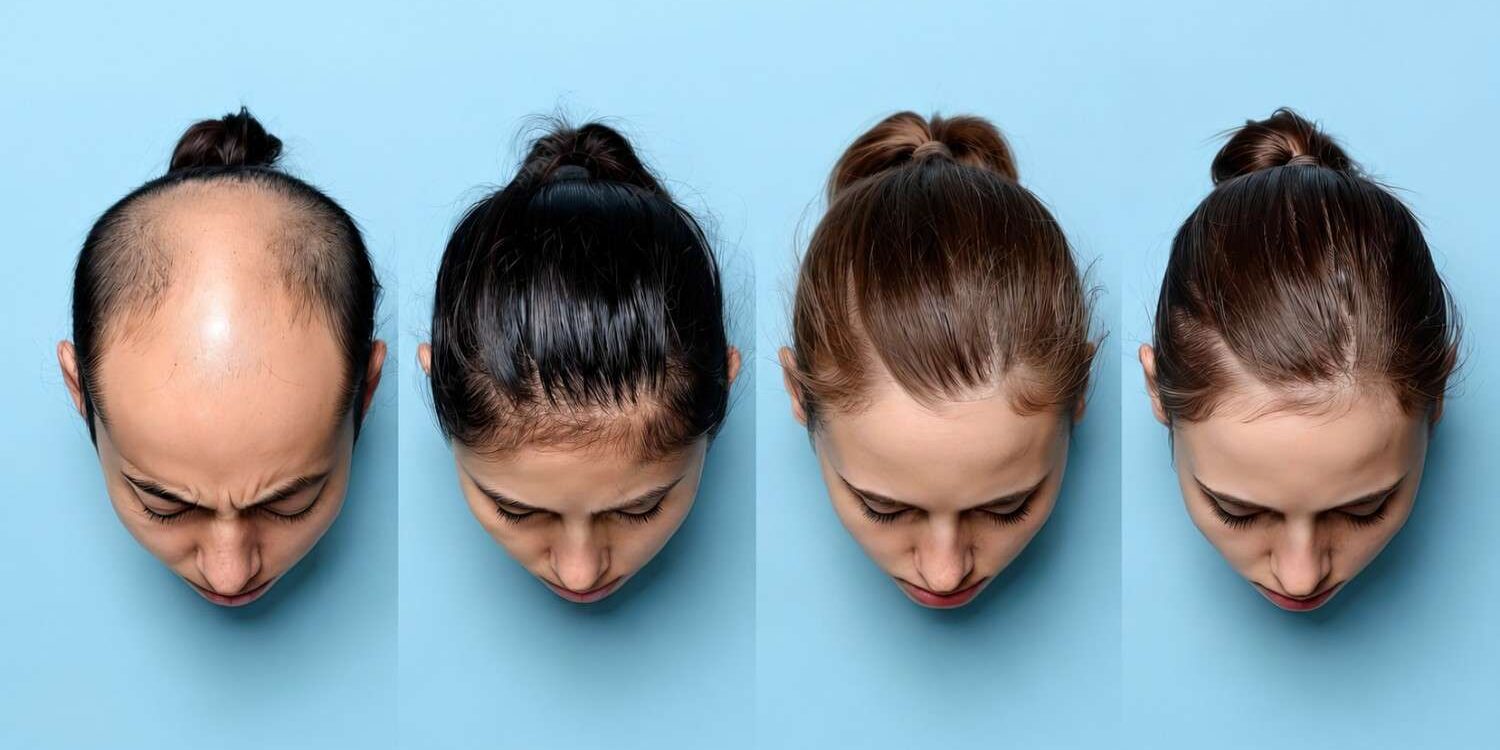
This type is very common. It happens when genes and hormones affect the hair roots. Men may see a receding hairline, while women may see thinning at the top. So, this is one of the most common types of hair loss people notice as they age.
Alopecia Areata
This type happens when the body attacks its own hair roots. It causes small, round bald spots on the scalp. The hair may grow back, but it can fall out again. Also, doctors often see this in both kids and adults.
Telogen Effluvium
This type happens after stress, illness, or big life changes. Hair falls out more than usual for a short time. The good news is that hair often grows back. In many cases, this is one of the common types of hair loss in women after pregnancy or stress.
Anagen Effluvium
This type happens when something stops hair from growing. It often comes from strong medical treatments like chemotherapy. Hair loss can happen fast, but it may grow back after treatment ends.
Traction Alopecia
This type comes from tight hairstyles like braids or ponytails. The pulling damages the hair roots over time. If you stop the tension early, the hair can grow back. However, long-term pulling can cause lasting damage.
Scarring Alopecia
This type is rare but serious. It happens when inflammation damages the hair roots. The damage can be permanent, so hair may not grow back. Doctors must treat it early to stop more loss.
Tinea Capitis
This type is a fungal infection on the scalp. It often affects children and causes patchy hair loss with itching. Treatment with medicine can clear the infection and help hair grow back. Learning about these cases helps you understand the different types of hair loss and how they affect people.
What Causes Different Types of Hair Loss?
Hair can fall out for many reasons. Some causes are simple, while others need care from a doctor. When you learn the cause, you can better understand the types of hair loss and how to treat them.
- Genetics: Your family history can affect your hair. If your parents had hair loss, you may have it too. This kind often happens slowly over time.
- Hormones: Changes in hormones can affect hair growth. This can happen during pregnancy, after birth, or during menopause. These changes are common in the types of hair loss for women.
- Stress: Stress can push hair into a resting phase. After a few months, more hair may fall out than usual. Once stress goes down, hair can grow back.
- Medical conditions: Some health problems can cause hair loss. These include thyroid issues and autoimmune diseases. Treating the condition can help reduce hair loss.
- Nutritional deficiencies: Your hair needs nutrients to grow strong. Low iron or low protein can lead to hair thinning. Eating healthy foods can help support hair growth.
Types of Hair Loss in Women and What Makes Them Different
Hormonal Changes and Hair Loss
Hormones play a big role in how hair grows. When hormone levels change, hair can become thin or fall out. This often happens during key stages in life. So, many experts study the types of hair loss to better understand these changes.
Pregnancy and Hair Changes
During pregnancy, hormone levels rise and can make hair look thick and full. After birth, hormone levels drop, and more hair may fall out. This can feel scary, but it is often temporary. In many cases, this is one of the common types of female hair loss that improves over time.
Menopause and Hair Thinning
Menopause can cause a drop in estrogen levels. This change can slow hair growth and lead to thinning. Hair may also feel weaker and break more easily. Because of this, many women notice changes in their hair during this stage.
Emotional Impact of Hair Loss
Hair loss can affect how a woman feels about herself. It may lower confidence and cause stress or worry. However, knowing the cause can help reduce fear. With the right care, many women can manage hair loss and feel better again.
Early Signs of Different Types of Hair Loss
Thinning Hair
Hair may slowly look less full over time. You may notice more scalp showing, especially on top of the head. This change can happen little by little. So, many people first learn about the types of hair loss when they see thinning.
Hair Shedding
It is normal to lose some hair each day. However, losing a lot more hair than usual can be a warning sign. You may see more hair on your pillow, brush, or shower drain. This can happen after stress or illness.
Bald Spots
Some people may notice small areas with no hair. These spots can be round or uneven. They may appear fast and without pain. Early care, like female hair restoration Philippines, can help manage this problem.
Scalp Issues
The scalp may feel itchy, sore, or dry. You may also see redness or flakes. These signs can mean there is a skin problem. Treating the scalp early can help protect hair growth.
Treatment Options for Different Types of Hair Loss
Hair loss can feel scary, but many treatments can help. Each option works in a different way. So, doctors choose treatments based on the types of hair loss a person has.
Medications
Doctors often use medicine to slow down hair loss or help hair grow back. These are easy to use and can work well over time. Also, some options are helpful for the types of hair loss in women.
- Topical treatments: You apply these to the scalp. They help wake up weak hair roots and support growth.
- Oral medications: You take these by mouth. They help control hormones that affect hair loss.
PRP Therapy
PRP therapy uses your own blood to help your hair grow. A specialist takes a small blood sample and prepares it. Then, they inject it into the scalp to support hair growth.
- Natural process: This method uses your own cells. So, it is safe and simple.
- Hair support: It helps improve hair thickness and strength over time.
FUE and FUT
Hair transplant methods move healthy hair to thin areas. These treatments can give long-term results. Many people choose FUE hair transplant in the Philippines because it is gentle and leaves little scarring.
- FUE method: This method takes single hair roots and places them in new areas. It heals fast and looks natural.
- FUT method: This method removes a small strip of scalp. Doctors then place the hair into thinning spots. Some people choose FUT hair transplant in the Philippines for fuller results.
Lifestyle Changes
Simple daily habits can help protect your hair. These changes support overall hair health and reduce damage.
- Healthy diet: Eat foods rich in iron and protein. This helps hair grow strong.
- Stress control: Lower stress through rest and exercise. This helps reduce hair shedding.
Are You Ready to Treat Your Hair Loss?
Understanding the types of hair loss can help you take the right next step. At Maxim Hair Restoration – Philippines, we offer simple and proven solutions. Our team will guide you based on your needs. Contact us today to book your consultation.
FAQs
1. What are the most common types of hair loss?
The most common types include pattern hair loss, patchy hair loss, and stress-related shedding. Each type has different causes and signs.
2. Are all types of hair loss permanent?
No, some types are temporary. Hair loss from stress or illness can grow back. Others, like pattern hair loss, may be long-term.
3. What causes hair loss in women?
Hair loss in women can come from hormones, stress, low iron, or health issues. A doctor can help find the exact cause.
4. Can hair loss be treated?
Yes, many treatments can help. These include medicine, PRP therapy, and hair transplants like FUE or FUT.
5. When should I see a hair specialist?
You should see a specialist if your hair falls out fast, forms bald spots, or does not grow back. Early care can give better results.