
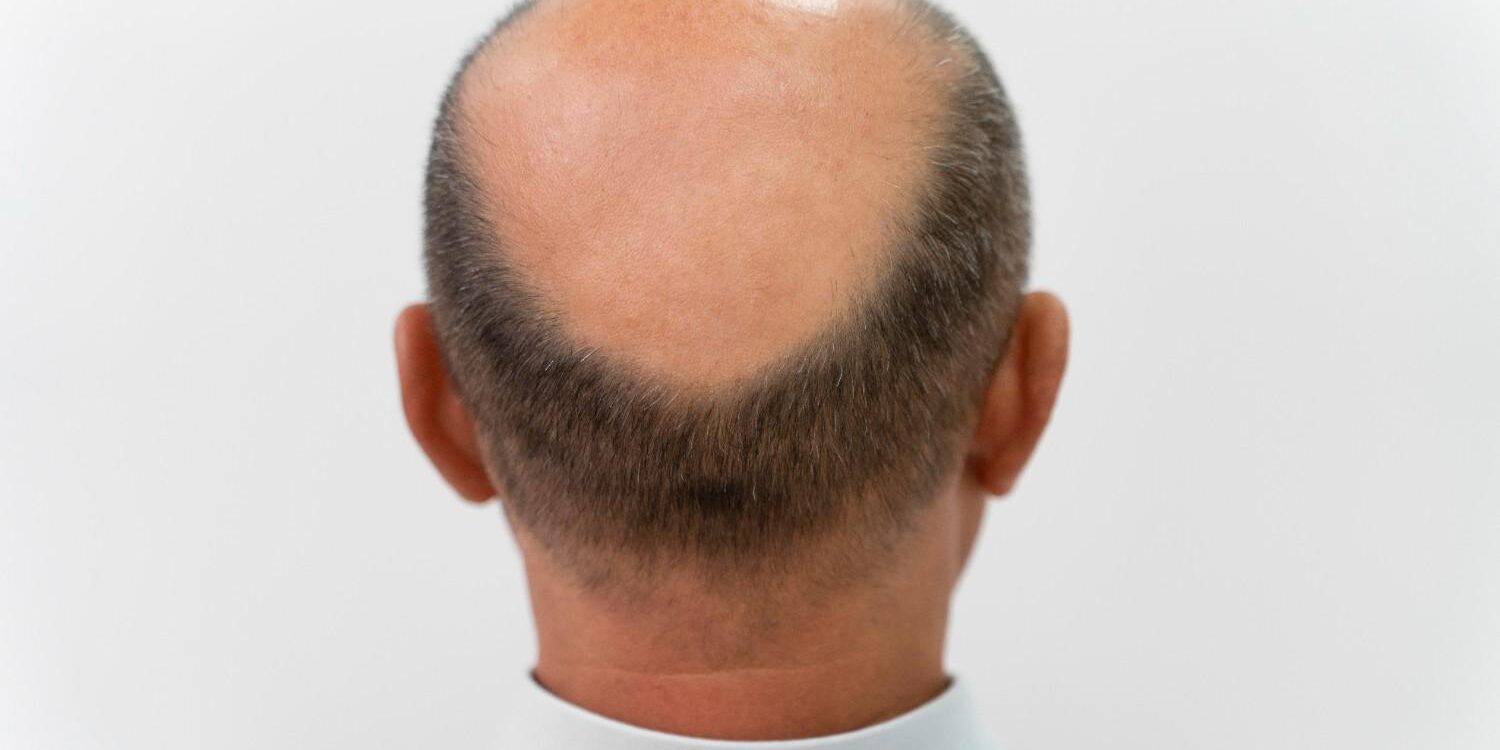
Early stage male pattern baldness, also known as androgenetic alopecia, often begins in the late teens to early 20s. Common signs include a receding “M”-shaped hairline and thinning at the crown. It is largely driven by genetics and dihydrotestosterone (DHT). Early intervention, including FDA-approved treatments like finasteride and minoxidil, can help slow or even reverse hair loss.
Men who notice these early signs may benefit from professional evaluation and personalized treatment guidance. Clinics like Maxim Hair Restoration – Philippines provide consultations and advanced solutions to help manage hair loss in its early stages.
What Is Early Stage Male Pattern Baldness?
Early stage male pattern baldness is the beginning phase of common male hair loss. Doctors call this condition androgenetic alopecia. It happens when hair gradually becomes thinner over time. Many men first notice small changes in their hairline or crown. The hair may look less thick than before. These changes often mark the early stage of male pattern baldness.
Because the condition develops slowly, many people do not notice it right away. Learning the early signs can help men understand their hair health sooner.
Understanding Androgenetic Alopecia
Androgenetic alopecia is a hereditary form of hair loss. This means it often runs in families. In this condition, hair follicles slowly become weaker. When follicles weaken, they produce thinner and shorter hair.
Many men notice this during the early stage of male pattern baldness stages, when the hairline begins to recede slightly or the crown starts to thin.
Common early signs include:
- A slowly receding hairline
- Thinning hair near the crown
- Hair that appears finer than before
- More visible scalp under bright light
These signs may develop over several years.
Why Do Hair Follicles Shrink?
Hair grows from small openings in the scalp called follicles. In the early stage of male pattern baldness, these follicles begin to shrink. When this happens, the hair strands become weaker.
Over time, shrinking follicles produce thinner hair. This process is often called hair miniaturization. It usually follows predictable early stage male pattern baldness stages, which doctors use to track hair loss patterns.
The Role of DHT
A hormone called dihydrotestosterone (DHT) plays a major role in male hair loss. Some hair follicles are sensitive to this hormone. When DHT affects these follicles, they slowly weaken.
As a result:
- Hair strands become thinner
- Hair growth slows down
- Some follicles stop producing hair
These changes often appear first at the hairline and crown.
Why Are Early Stages Easier to Treat?
The early stage of male pattern baldness is often the best time to take action. During this stage, most hair follicles are still active. This means treatments may help protect existing hair.
Possible solutions may include medical treatments or procedures such as a hair transplant in the Philippines if hair loss progresses. Recognizing the early signs allows men to explore options sooner and make informed decisions about their hair health.
Early Stage Male Pattern Baldness Stages
Hair loss in men often follows a pattern. Doctors use a guide called the Norwood scale to describe the stages of hair loss. This scale helps explain how male pattern baldness develops over time.
The early part of the Norwood scale focuses on the first visible changes. These changes are known as the early stage male pattern baldness stages. During this time, hair loss is usually mild and easier to manage.
Understanding these stages helps men notice changes sooner and learn how male pattern baldness early stage usually appears.
Stage 1 – Minimal Hairline Change
Stage 1 shows little or no visible hair loss. The hairline usually looks the same as it did before. At this point, the hair remains thick across the scalp. Most people do not notice any major change. However, some men may see very small shifts in the temples. These changes are often subtle.
Common signs in this stage may include:
- A natural and even hairline
- Thick hair across the crown
- No clear thinning areas
Many men remain in this stage for years before male pattern baldness begins to progress.
Stage 2 – Slight Receding Hairline
Stage 2 is when the first clear signs appear. The hairline may begin to move slightly backward near the temples. This change creates a mild “M” shape in the hairline. The difference may still be small. Hair density usually remains strong across most of the scalp.
Men in male pattern baldness early stage may notice:
- Slight temple recession
- A wider forehead area
- Hair that looks a bit thinner near the hairline
At this stage, the crown area often remains full.
Stage 3 – Noticeable Hairline Recession
Stage 3 is often the stage when hair loss becomes easier to see. The hairline moves farther back from the temples. The “M” shape becomes more visible. Hair near the front may also appear thinner.
Common signs in this stage include:
- A deeper recession at the temples
- A more noticeable hairline shape
- Thinner hair at the front of the scalp
This stage is usually considered the first clear sign of male pattern baldness.
Early Crown Thinning
Some men notice hair loss at the crown instead of the hairline. The crown is the top area of the scalp. In early cases, the hair may start to thin in a small circle. This area may appear lighter or less dense than the rest of the hair.
Early crown thinning may include:
- A small thinning spot on the crown
- Hair that appears flatter or finer
- More visible scalp under bright light
These changes can happen during the early stage male pattern baldness stages and may slowly progress if untreated.
Early Signs of Male Pattern Baldness
Many men first notice small changes in their hair before clear hair loss appears. These early changes can help identify the early stage of male pattern baldness.
Hair loss does not usually happen all at once. It often develops slowly. Understanding the early signs can help men recognize the early stage male pattern baldness stages sooner.
Below are some of the most common signs that may appear early.
Receding Hairline
A receding hairline is one of the first signs of male pattern baldness. The hairline slowly moves back near the temples. This change often forms an “M-shaped” pattern across the front of the head. At first, the change may look small. Some men only notice it when they compare older photos.
Common signs include:
- The temples move slightly backward
- The forehead looks wider
- The front hairline forms an “M” shape
These changes often appear during the early stage male pattern baldness stages.
Thinning at the Crown
The crown is the top area of the scalp. This area can begin to thin early in the hair loss process. Hair in this spot may look less dense than before. The scalp may become easier to see under bright light.
Some men notice:
- A small thinning circle on the crown
- Hair that looks flatter or weaker
- More visible scalp at the top of the head
Crown thinning can appear during the early stage of male pattern baldness.
Hair Miniaturization
Hair miniaturization happens when hair strands grow thinner over time. Healthy hair usually grows thick and strong. When miniaturization begins, the hair becomes:
- Finer
- Shorter
- Less visible
This process is common in the early phases of male pattern baldness. The follicles slowly produce weaker hair. Over time, this can lead to more visible thinning.
Increased Hair Shedding
Some men notice more hair falling out than usual. Hair may appear on pillows, in the shower, or on hair brushes. Shedding can happen for many reasons. However, consistent shedding may be linked to the early stage of male pattern baldness.
Signs of unusual shedding may include:
- More hair in the shower drain
- Loose hair on clothing or pillows
- Hair falling out while combing
If shedding continues and thinning becomes visible, some men begin to explore treatment options. This may include researching procedures such as a hair transplant cost in the Philippines to understand long-term solutions.
What Causes Male Pattern Baldness Early Stage?
Hair loss can start for several reasons. Many men notice the early stage male pattern baldness when small changes appear in the hairline or crown.
Several factors can influence how male pattern baldness develops early.
Genetics
Family history is one of the main causes of male pattern baldness. If close relatives experienced hair loss, the chance of developing it may increase. Hair loss patterns can also follow similar early stage male pattern baldness stages within families.
Hormones and DHT
Hormones also play an important role. A hormone called dihydrotestosterone (DHT) can affect hair follicles. Some follicles are sensitive to DHT. Over time, this hormone can cause follicles to shrink and produce thinner hair.
Age and Early Onset
Hair loss can begin earlier than many people expect. Some men notice signs of male pattern baldness early in their late teens or early twenties. Early changes may include slight hairline recession or thinning hair.
Lifestyle Factors
Lifestyle habits may also influence hair health.
These factors may include:
- Stress
- Poor nutrition
- Lack of sleep
- Poor scalp care
When hair loss becomes more noticeable, some men explore treatment options such as a FUE hair transplant to restore hair growth.
How to Confirm Early Stage Male Pattern Baldness?
Identifying early stage male pattern baldness often starts with simple checks. Early confirmation helps people understand their hair condition and explore treatment options sooner.
Doctors and hair specialists use several basic methods to examine hair loss.
Visual Examination
A visual check is often the first step. A specialist looks closely at the hairline, temples, and crown.
They check for:
- Receding hairline
- Thinning areas
- Uneven hair density
These signs may suggest the early stages of hair loss.
Hair Density Evaluation
Hair density evaluation measures how thick the hair appears across the scalp. A specialist checks whether some areas have less hair than others. Lower density may show early thinning.
Scalp Analysis
Scalp analysis helps examine the health of the scalp and hair follicles. During this process, a specialist may look for:
- Weak or thin hair strands
- Early follicle shrinkage
- Signs of scalp irritation
A healthy scalp and proper hair care routine can help support stronger hair growth.
Medical Consultation
A professional consultation can provide a clearer diagnosis. Hair specialists review hair loss patterns, family history, and lifestyle habits such as stress, sleep, nutrition, and scalp care.
Consulting experts at Maxim Hair Restoration – Philippines can help individuals receive proper evaluation and guidance for managing hair loss in its early stages.
When Should You See a Hair Restoration Specialist?
Many people wait too long before asking for help. If you notice signs of early stage male pattern baldness, it may be a good time to speak with a specialist.
Early support can help protect existing hair and slow further loss.
Signs You May Need Professional Help
Some changes may mean it is time to consult a hair restoration expert.
Watch for these signs:
- A receding hairline that continues to move back
- Thinning hair at the crown
- Hair becoming finer over time
- Hair loss that runs in your family
Early diagnosis can help identify the cause of hair loss sooner.
Benefits of Early Diagnosis
Seeing a specialist early can provide several advantages.
These may include:
- A clear understanding of your hair condition
- Personalized treatment plans based on your needs
- Access to advanced technology for hair restoration
Specialists may also review lifestyle factors such as stress, nutrition, sleep, and scalp health. These factors can influence hair growth.
Professional Hair Restoration Solutions
Hair restoration clinics can offer different solutions depending on the level of hair loss. Some people explore procedures such as a FUT hair transplant when hair thinning becomes more visible. A professional evaluation helps determine which option may be most suitable.
Speak With a Hair Restoration Specialist
If you notice ongoing hair thinning, a consultation may help you understand your options. The team at Maxim Hair Restoration – Philippines provides professional hair loss evaluation and treatment guidance.
If you want to learn more about your hair restoration options, you can contact us to schedule a consultation and receive personalized advice.
FAQs
1. What are the first signs of early stage male pattern baldness?
The first signs usually include a receding hairline or thinning hair near the crown. Some people also notice their hair becoming thinner or weaker over time.
2. At what age can male pattern baldness start?
Male pattern baldness can begin earlier than many people expect. Some men notice the first signs in their late teens or early twenties.
3. Can early stage male pattern baldness be treated?
Yes. Early treatment may help slow hair loss and protect existing hair. Many people explore medical treatments or hair restoration procedures depending on their condition.
4. Is male pattern baldness caused by genetics?
Yes. Genetics is one of the main causes. If family members have experienced hair loss, the chances of developing male pattern baldness may be higher.
5. When should I see a hair restoration specialist?
You should consider seeing a specialist if you notice ongoing hair thinning, a receding hairline, or visible scalp. Early consultation can help identify treatment options sooner.