
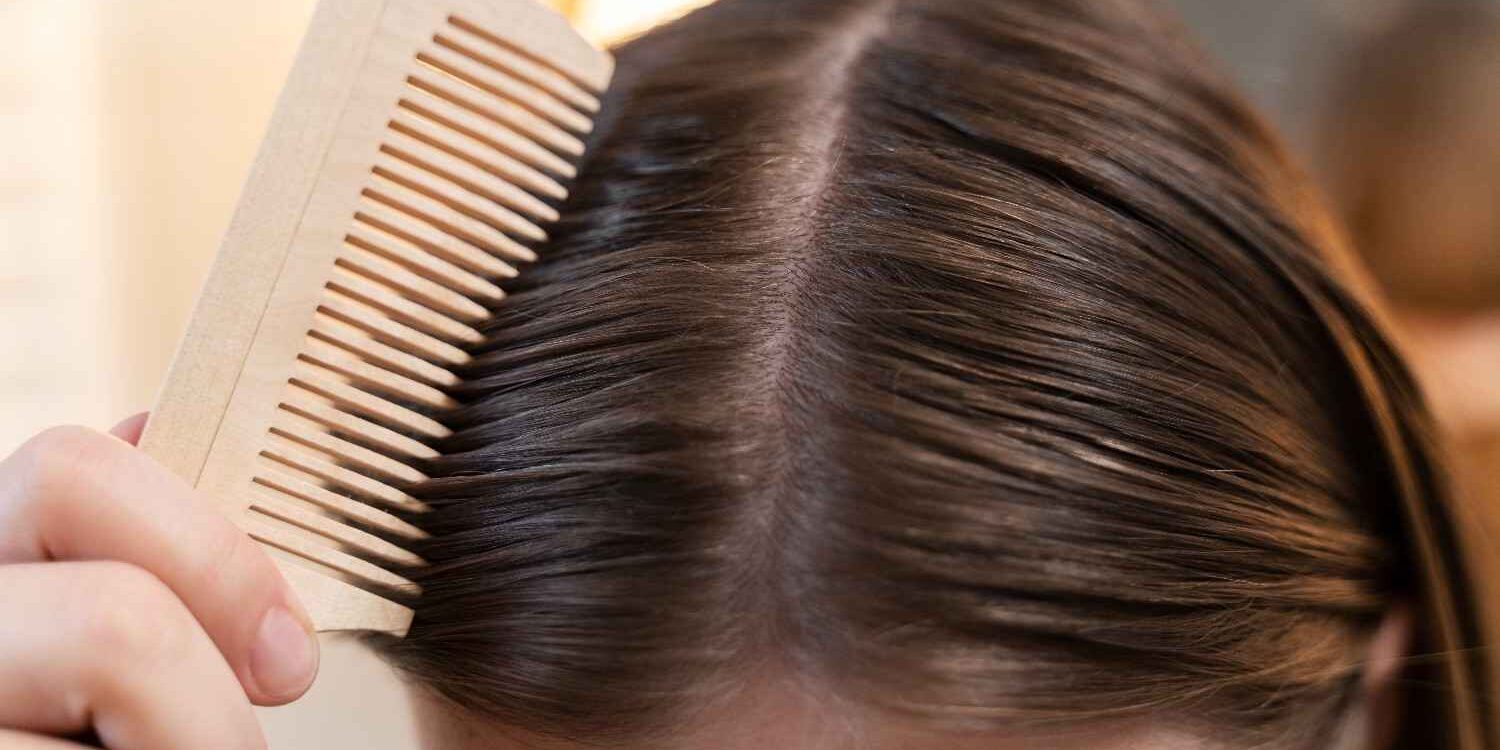
If you want to learn how to have a healthy scalp, start by washing your hair regularly with a gentle, sulfate-free shampoo to remove buildup, but avoid washing every day. Exfoliate your scalp weekly and protect it from sun exposure to keep the skin healthy. A healthy scalp also needs a balanced diet rich in nutrients, proper hydration, and less heat styling to prevent dryness and irritation. You can massage your scalp to improve blood flow and wash with lukewarm water so natural oils stay balanced.
For expert advice on how to have healthy scalp, many people seek guidance from professionals who understand scalp health and hair care. Maxim Hair Restoration – Philippines provides helpful information and advanced solutions to support healthier scalps and stronger hair growth.
How to Have Healthy Scalp with Proper Scalp Care?
Proper scalp care helps keep the skin on the head clean and balanced. The scalp supports hair roots and protects the follicles where hair grows. When the scalp stays healthy, hair often grows stronger and looks fuller.
Many people pay attention only to their hair strands. However, the scalp is the base of healthy hair. A simple and consistent hair care routine can protect the scalp and support better hair growth.
Learning how to have healthy scalp begins with understanding the condition of your scalp and caring for it every day.
Why Proper Scalp Care Matters?
The scalp is living skin. It needs regular care just like the skin on the face. Dirt, sweat, and hair products can collect on the scalp during the day. If buildup stays on the scalp too long, it may block hair follicles. This can cause irritation, dryness, or excess oil.
Proper scalp care helps:
- keep the scalp clean
- maintain natural oil balance
- support hair follicles
- create a healthy environment for hair growth
These simple steps help protect both the scalp and hair.
How to Check Your Scalp Condition?
People can check their scalp at home with a few simple steps. Small changes in scalp condition may reveal early signs of problems.
Start by parting the hair in front of a mirror. Look closely at the skin on the scalp. A healthy scalp usually appears smooth and even in color. You can also check how the scalp feels during the day. Notice if there is itching, tightness, or excess oil.
Look for signs such as:
- redness or irritation
- flakes or dandruff
- oily patches
- dryness or tight skin
If the scalp feels comfortable and balanced, it is likely in good condition.
Signs Your Scalp Care Routine Is Working
A good scalp routine often leads to noticeable improvements. Hair may feel lighter and cleaner. The scalp may also feel calm and comfortable.
Healthy scalp care may show these results:
- less itching
- balanced oil levels
- fewer flakes
- stronger hair growth
These signs show that the scalp environment supports healthy follicles.
Simple Habits for Proper Scalp Care
Daily habits play a large role in scalp health. Small changes in a hair care routine can improve scalp comfort and cleanliness.
Helpful habits include:
- washing hair with gentle products
- keeping the scalp clean from buildup
- avoiding heavy styling products
- protecting the scalp from excessive heat
Consistency helps maintain these benefits.
Building a Healthy Scalp Routine
A simple routine often works best. The goal is to protect the scalp without causing dryness or irritation.
Basic scalp care may include:
- regular cleansing
- gentle brushing or combing
- keeping hair products balanced
- observing scalp changes regularly
When people maintain these habits, they often notice healthier scalp conditions over time. By focusing on proper care and regular checks, anyone can take steps toward understanding how to have healthy scalp and maintaining long-term scalp health.
Why Is Scalp Health Important?
A healthy scalp is the base for strong hair. Many people focus only on hair strands, but the scalp is where hair begins. When the scalp stays clean and balanced, hair roots can grow well. Poor scalp care can lead to dryness, oil buildup, or irritation. These problems can weaken hair over time.
Understanding how to have healthy scalp starts with learning why scalp care matters. The scalp is living skin. It supports hair follicles and helps control oil, moisture, and blood flow.
The Scalp Is Living Skin
The scalp is part of the body’s skin system. It protects the head and holds thousands of hair follicles. Each follicle produces a strand of hair. Like other skin, the scalp needs proper care. Dirt, sweat, and product buildup can block pores. When this happens, the scalp may feel itchy or irritated.
Good scalp care helps keep the skin clean and balanced. Simple habits such as gentle washing and proper hydration can protect the scalp.
Hair Follicles Depend on a Healthy Scalp
Hair follicles sit under the scalp. These small structures grow each strand of hair. When the scalp is healthy, follicles can stay active. Strong follicles help hair grow thicker and stronger. Weak follicles may slow hair growth.
To support follicle health, people should focus on:
- keeping the scalp clean
- avoiding harsh chemicals
- choosing gentle hair products
- maintaining good scalp hygiene
Many people who learn how to have a healthy scalp also pay attention to the products they use. Choosing the right shampoo can support both scalp and hair health.
The Role of the Scalp Microbiome
The scalp has a natural balance of tiny organisms called microbes. This system is known as the scalp microbiome. These microbes help protect the scalp and keep the skin stable. When the balance changes, problems can appear.
Common signs of imbalance include:
- dandruff
- itching
- redness
- flakes
Keeping the scalp clean and balanced helps protect this natural system.
Natural Oil Balance Matters
The scalp produces natural oil called sebum. This oil protects the skin and keeps hair soft. Too much oil can clog hair follicles. Too little oil can cause dryness and irritation. Healthy scalp care helps maintain this balance. Some people choose a shampoo for hair growth in the Philippines that supports scalp cleanliness without stripping natural oils.
Helpful habits include:
- washing hair with mild shampoo
- avoiding very hot water
- limiting heavy styling products
These simple steps help keep oil levels stable.
Blood Circulation Supports Hair Growth
Blood flow is important for scalp health. It delivers oxygen and nutrients to the hair roots. When circulation improves, follicles receive the nutrients they need to stay active. This can support stronger hair growth. One easy way to improve circulation is scalp massage. Gentle massage can stimulate the scalp and help blood move through the skin.
Healthy circulation can support:
- stronger hair roots
- improved scalp condition
- better nutrient delivery
Why Scalp Health Affects Hair Strength?
Hair quality often reflects scalp condition. A dry or irritated scalp can weaken hair strands. A balanced scalp creates a better environment for growth. People who want stronger hair should begin with scalp care. Learning how to have healthy scalp helps protect hair roots and improve overall hair health.
When the scalp stays healthy, hair has a better chance to grow thick, strong, and resilient. Simple daily habits can make a noticeable difference over time.
Signs of a Healthy Scalp
A healthy scalp creates the right place for hair to grow. It supports the hair roots and protects the skin on the head. When the scalp stays balanced, hair often looks stronger and fuller.
Many people focus only on their hair. However, the scalp plays a major role in hair health. Learning the basic signs of a healthy scalp helps people understand if their scalp care routine works well. People who want to learn how to have healthy scalp should first know what a healthy scalp looks and feels like.
Common Signs of a Healthy Scalp
A healthy scalp usually feels comfortable and balanced. It does not feel overly dry or oily. The skin also looks calm and clean.
Some common signs include:
- no itching or irritation
- balanced oil levels
- smooth and clean scalp skin
- strong hair growth from the roots
- no flakes or redness
When these signs appear, the scalp is likely in good condition. Hair follicles can grow hair more easily in this environment.
No Itching or Irritation
A healthy scalp should not feel itchy or painful. Constant itching may signal dryness, product buildup, or irritation. When the scalp feels calm during the day, it usually means the skin barrier is working well. This helps protect the scalp from damage.
Gentle hair care habits often reduce itching. Washing with mild shampoo and avoiding harsh chemicals can help maintain scalp comfort.
Balanced Oil Levels
The scalp produces natural oil called sebum. This oil keeps the skin soft and protects hair. Healthy oil balance means the scalp is not too oily and not too dry. When the oil level stays balanced, hair often looks smooth and healthy. Too much oil may make hair greasy. Too little oil may cause dryness or flakes. Proper scalp care helps keep this balance steady.
Smooth and Clean Scalp Skin
Healthy scalp skin usually feels smooth. It should not feel rough, bumpy, or inflamed. People can check their scalp by gently parting the hair and looking at the skin in a mirror. The scalp should look clean and even in color. Regular washing helps remove dirt, sweat, and product buildup. This keeps the scalp surface clear.
Strong Hair Growth
Healthy hair growth often reflects scalp health. When the scalp supports the hair follicles, new strands grow steadily. Stronger roots usually produce thicker hair strands. This may help reduce hair breakage and excessive shedding. People who care for their scalp may notice healthier hair over time.
No Flakes or Redness
Flakes or redness may signal irritation or dandruff. A healthy scalp usually stays free from visible flakes. If the scalp shows redness, dryness, or scaling, it may need better care or gentler products. Consistent scalp care can help prevent these problems.
How to Check Your Scalp Condition?
Checking the scalp is simple and can be done at home. Small changes in scalp condition may reveal early signs of problems.
Here are simple ways to check scalp health:
- Part the hair and look at the scalp in good light.
- Check for redness, flakes, or irritation.
- Notice if the scalp feels itchy or tight.
- Observe how oily or dry the scalp feels during the day.
These small checks help people understand their scalp condition.
Learning how to have a healthy scalp often begins with paying attention to these signs. Early care can prevent bigger scalp problems later.
In some cases, people who experience ongoing scalp issues or hair thinning may consider professional help. Specialists who perform hair transplant in the Philippines also evaluate scalp health because a healthy scalp supports successful hair restoration.
Professional Treatments for Scalp Health
Home care helps many people maintain scalp comfort. However, some scalp problems may need professional care. A specialist can examine the scalp and suggest treatments that support stronger hair growth. People who want to understand how to have healthy scalp sometimes benefit from expert guidance. Professionals can check the scalp closely and identify problems that may not be easy to see at home.
Seeking help early may prevent more serious scalp or hair issues.
When to Seek Professional Help?
Some scalp conditions improve with simple hair care habits. Others may continue even after regular washing and proper care.
Professional help may be helpful if a person notices:
- constant itching or irritation
- heavy dandruff or flakes
- redness or scalp inflammation
- thinning hair or hair loss
- scalp discomfort that does not improve
These signs may suggest deeper scalp concerns that require expert evaluation.
Professional Scalp Analysis
A scalp analysis helps specialists examine the condition of the scalp and hair follicles. This process often uses special tools that allow a closer look at the scalp surface.
During the analysis, specialists may check:
- scalp oil levels
- clogged hair follicles
- scalp dryness or irritation
- hair density and hair growth patterns
This evaluation helps professionals understand the health of the scalp and recommend proper care.
Professional Treatments for Scalp Care
Some scalp problems respond well to professional treatments. These treatments aim to improve scalp balance and support healthy follicles.
Common professional scalp care solutions may include:
- deep scalp cleansing treatments
- hydration treatments for dry scalp
- treatments that reduce oil buildup
- nutritional support such as Maxim hair vitamin
Vitamins and nutrient support may help improve scalp health and strengthen hair from the roots.
Hair Restoration Options
Some people experience hair thinning due to scalp conditions or genetics. In these cases, hair restoration procedures may help improve hair density.
Two common procedures include:
Both methods involve moving healthy hair follicles to areas where hair has thinned. These follicles can then grow new hair over time.
Expert Care at Maxim Hair Restoration – Philippines
People who need advanced scalp care may consider visiting Maxim Hair Restoration – Philippines. The clinic provides professional scalp evaluation and hair restoration services. Specialists at Maxim Hair Restoration – Philippines help clients understand their scalp condition and recommend suitable treatments. They may also suggest hair restoration procedures when needed.
Professional care can support long-term scalp health and improve hair growth results. By combining proper scalp care with expert treatments, many people can work toward healthier scalp conditions and stronger hair.
Start Your Journey to a Healthier Scalp
Healthy hair begins with proper scalp care. If you are dealing with scalp issues or hair thinning, professional help can make a difference.
At Maxim Hair Restoration – Philippines, our specialists offer scalp analysis and advanced treatments such as FUE hair transplant and FUT hair transplant. Contact us today to learn more about the right solution for your scalp and hair health.
FAQs
What are the signs of a healthy scalp?
A healthy scalp usually feels comfortable and balanced. It should not feel itchy or irritated. The skin should look clean, smooth, and free from flakes or redness. Strong and steady hair growth is also a common sign of a healthy scalp.
How often should I wash my hair for a healthy scalp?
Most people should wash their hair two to four times per week. This helps remove dirt, sweat, and product buildup. Washing too often may dry the scalp, while washing too rarely may cause oil buildup.
Can scalp massage help improve scalp health?
Yes. Scalp massage can help improve blood circulation in the scalp. Better circulation may support hair follicles and help deliver nutrients to the hair roots. Many people also find scalp massage relaxing.
When should I see a specialist for scalp problems?
You should consider seeing a specialist if you notice constant itching, heavy dandruff, redness, or hair thinning. Professional scalp analysis can help identify the cause and suggest proper treatments.
Can professional treatments help improve scalp health?
Yes. Professional treatments can help address scalp problems and support healthier hair growth. Clinics like Maxim Hair Restoration – Philippines provide scalp evaluations and hair restoration options for people who need advanced care.