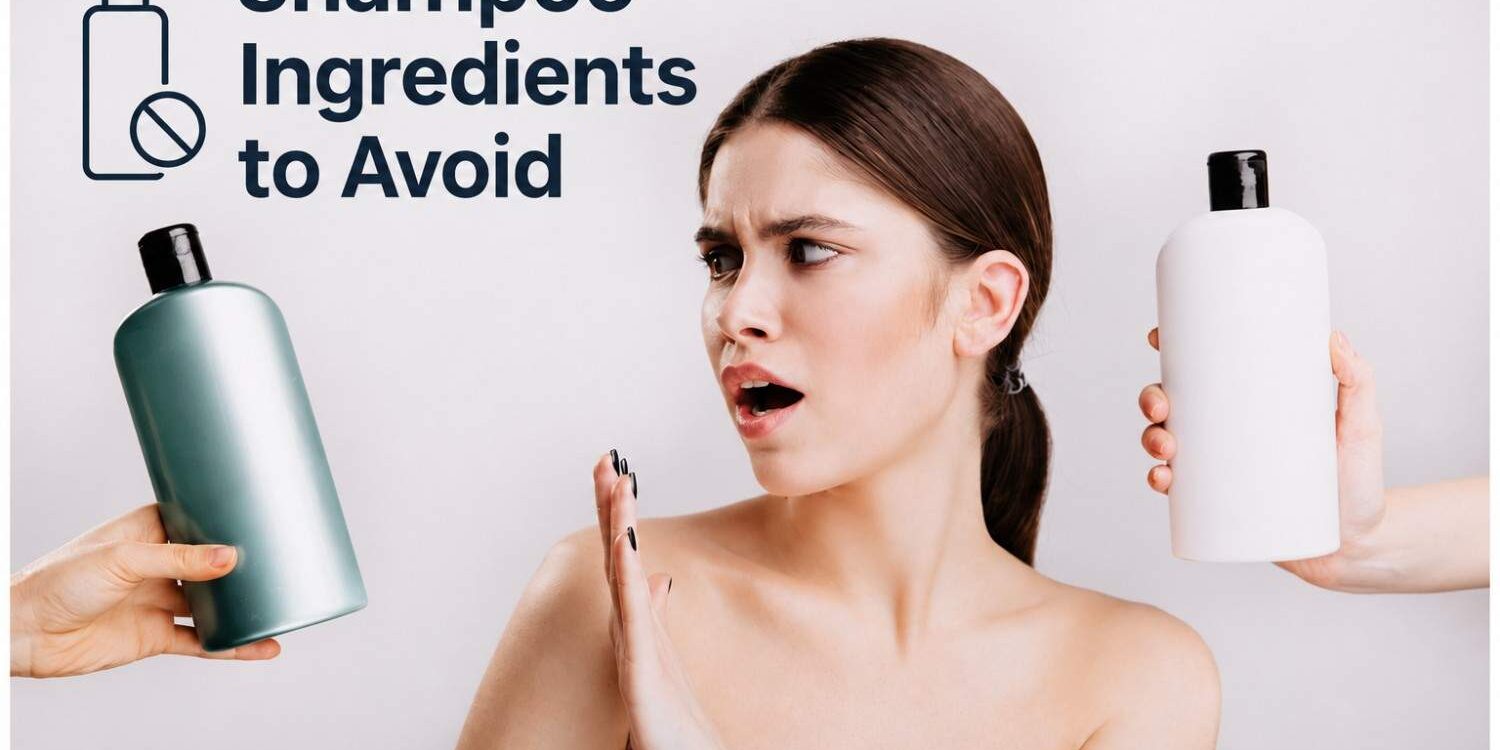
Shampoo ingredients to avoid include harsh sulfates like SLS and SLES, which can strip moisture from your hair and scalp. You may also want to avoid parabens, synthetic fragrances, formaldehyde releasers like DMDM hydantoin, drying alcohols such as ethanol and propanol, and heavy silicones like dimethicone that can weigh hair down.
At Maxim Hair Restoration – Philippines, we believe that better hair care starts with knowing what goes into your products. Choosing a gentle shampoo can help support a cleaner scalp, softer hair, and a healthier hair care routine.
Why Knowing Shampoo Ingredients to Avoid Matters?
Your shampoo touches your scalp often. That is why it helps to know what is inside the bottle. Some shampoos clean well, but some can be too strong for your hair or scalp. When you read the label, you can spot ingredients that may cause dryness, frizz, itching, or buildup. This is helpful if your scalp feels sensitive. It also matters if your hair is dry, colored, thin, or easy to break.
Why Should You Check the Label?
Not all shampoos work the same way. A product that works for one person may not work for you. Some people can use strong formulas with no problem. Others may feel itching, tightness, or dryness after a few washes. This is why it helps to know the common ingredients to avoid in shampoo. You do not need to know every hard word on the label. You only need to know the main ones that may cause issues.
What Can Happen When Shampoo Is Too Harsh?
A harsh shampoo may clean your scalp, but it can also remove too much natural oil. Your scalp needs some oil to stay balanced. Without it, your hair may feel rough, dry, or weak. Some ingredients may also leave a coating on the hair. This can make your hair feel heavy or flat. Over time, buildup may make your scalp feel dirty even after washing.
Here are some signs your shampoo may be too strong:
- Your scalp feels itchy after washing.
- Your hair feels dry or rough.
- Hair becomes frizzy.
- Your scalp feels tight.
- Your hair looks flat or heavy.
- You see flakes or buildup.
- Your colored hair fades faster.
Who Should Be More Careful?
Some people need to be more careful when choosing shampoo. This includes people with dry hair, colored hair, sensitive skin, or hair thinning. If you are looking for a shampoo for hair growth, choose a gentle formula. A shampoo cannot fix all hair loss concerns. But a gentle shampoo can help keep the scalp clean and comfortable.
It is also helpful to learn what ingredients to avoid in shampoo before buying a new product. Common ingredients in shampoo to avoid include harsh sulfates, parabens, heavy silicones, and strong synthetic scents. When you know what to avoid in shampoo ingredients, you can make better choices for your scalp and hair.
What Shampoo Ingredients to Avoid When Reading Labels?
Reading a shampoo label can feel confusing. Many brands use long names that are hard to read. Some ingredients sound safe, but they may not work well for every scalp or hair type.
The good news is that you do not need to know every word on the bottle. You only need to know the common shampoo ingredients to avoid, especially if your hair feels dry, weak, itchy, or heavy after washing.
Start With the Back Label
Before you buy shampoo, turn the bottle around. Check the ingredient list. The first few ingredients usually make up most of the product. This helps you see what shampoo ingredients to avoid before using it on your hair. It is a simple step, but it can protect your scalp from harsh formulas. Some shampoos clean too strongly. Others leave a thick coat on their hair. Some may also cause itching or dryness for people with sensitive skin.
Common Ingredients to Watch For
Here are the main ingredient groups you may want to check:
- Harsh sulfates
These help shampoo foam. But they may remove too much natural oil from your scalp. - Parabens
These help products last longer. Some people avoid them due to scalp or skin concerns. - Synthetic fragrances
These may be listed as “fragrance” or “parfum.” They can bother sensitive scalps. - Formaldehyde releasers
These are used to keep products fresh. Some people avoid them because they may cause irritation. - Drying alcohols
These can make hair feel dry, rough, or weak. - Heavy silicones
These can make hair feel smooth at first. But they may build up and weigh hair down. - Phthalates
These may hide inside fragrance blends. Some people choose to avoid them. - Certain preservatives and dyes
These may bother the scalp, mainly for people with sensitive skin.
Choose Based on Your Hair Needs
Knowing what to avoid in shampoo ingredients helps you choose better products. This is important if you have dry hair, colored hair, an oily scalp, or thinning hair.
If you are dealing with hair loss, shampoo alone may not solve the issue. You may need expert advice, especially if you are considering a hair transplant in the Philippines. A gentle shampoo can support a cleaner scalp. It can also help your hair feel softer and easier to manage.
Common Shampoo Ingredients to Avoid
Some shampoo ingredients can be too strong for your scalp and hair. They may clean well, but they can also remove too much natural oil. This can leave your hair dry, rough, itchy, or hard to manage.
Knowing the common shampoo ingredients to avoid can help you choose better products. This is helpful if you have dry hair, colored hair, thin hair, or a sensitive scalp. You do not need to understand every hard word on the bottle. You only need to know the main ingredients to avoid in shampoo and what they may do to your hair.
Harsh Sulfates
Sulfates help shampoo create foam. Many people like a rich lather because it feels clean. But strong sulfates may remove too much oil from your scalp. Your scalp needs some natural oil to stay healthy. When shampoo removes too much oil, your hair may feel dry, frizzy, or tight.
Common sulfate names include:
- Sodium lauryl sulfate
- Sodium laureth sulfate
- SLS
- SLES
People with dry, curly, colored, or sensitive hair may want to choose a sulfate-free shampoo. This can help keep the scalp clean without making the hair feel too dry.
Parabens
Parabens help shampoo last longer. They are used to stop bacteria and mold from growing inside the product. Some people avoid parabens because they may cause scalp irritation. Others avoid them due to concerns about how they may affect the body. Not everyone reacts to parabens, but people with sensitive skin may want to be careful.
Common paraben names include:
- Methylparaben
- Propylparaben
- Butylparaben
- Ethylparaben
Many shampoos now say “paraben-free” on the label. This makes it easier to find a gentler option.
Synthetic Fragrances
Fragrance can make shampoo smell nice. But it can also be a problem for some people.
On shampoo labels, fragrance may appear as:
- Fragrance
- Parfum
- Perfume
These words may cover many scent ingredients. The label may not show each one. This can make it hard to know what to avoid in shampoo ingredients, especially if your scalp reacts easily. Synthetic fragrance may cause itching, redness, or a burning feeling for some people. If you have a sensitive scalp, try fragrance-free shampoo or a product with a mild natural scent.
Formaldehyde Releasers
Some shampoos use preservatives to keep the product fresh. Formaldehyde releasers are one group of preservatives that some people avoid. They may help stop bacteria growth. But they may also cause scalp irritation for people with sensitive skin.
Common names to look for include:
- DMDM hydantoin
- Quaternium-15
- Imidazolidinyl urea
- Diazolidinyl urea
- Bronopol
These names can look hard to read. You do not need to memorize them all. You can keep a short list on your phone when shopping. If your scalp often feels itchy after washing, these may be ingredients in shampoo to avoid.
Drying Alcohols
Not all alcohols are bad for your hair. Some can help soften and smooth the hair. But some short alcohols can dry the hair out. Drying alcohol may make your hair feel brittle or rough. They may also make frizz worse.
Common drying alcohols include:
- Ethanol
- Alcohol denat.
- Propanol
- Isopropyl alcohol
- Propyl alcohol
There are also better alcohols in hair care. These are called fatty alcohols. They can help make hair feel soft.
Examples include:
- Cetyl alcohol
- Stearyl alcohol
- Cetearyl alcohol
So, do not avoid every ingredient with the word “alcohol.” Check the full name first.
Heavy Silicones
Silicones can make hair feel smooth and shiny. They coat the hair and help reduce frizz. But heavy silicones may build up over time. This buildup can make hair feel flat, oily, or heavy. It may also stop moisture from reaching the hair well.
Common silicone names include:
- Dimethicone
- Cyclomethicone
- Amodimethicone
- Trimethicone
Silicones may be a problem if you have fine hair or an oily scalp. They may also cause buildup if you use many styling products. If your hair feels heavy even after washing, check your shampoo and conditioner for heavy silicones.
Phthalates
Phthalates are another group some people avoid. They may help fragrance last longer in personal care products. The problem is that phthalates may not always appear clearly on the label. They can hide under the word “fragrance.”
Common names include:
- DEP
- DEHP
If you want a gentler hair care routine, choose shampoos marked as phthalate-free. This is a simple way to reduce hidden ingredients.
How to Choose a Gentler Shampoo?
When you buy shampoo, check the back label first. Look at the first few ingredients. These usually make up most of the product. If you are not sure what shampoo ingredients to avoid, start with the main groups. Look for sulfates, parabens, strong fragrance, drying alcohols, formaldehyde releasers, heavy silicones, and phthalates.
A gentle shampoo can help keep your scalp clean and calm. It can also help your hair feel softer and easier to manage. This is important if you already have hair thinning or scalp concerns. A good shampoo will not solve every hair problem. But it can support a cleaner and better hair care routine.
If you are dealing with hair loss, you may also want to speak with a hair expert. Some people compare options like hair treatment, hair transplant, or scalp micropigmentation cost in the Philippines. A proper consultation can help you choose the right next step. The best shampoo is not always the one with the most foam or strongest scent. Often, the better choice is a gentle formula that cleans your scalp without drying it out.
What Ingredients Are Better for Gentle Hair Care?
After learning about shampoo ingredients to avoid, it also helps to know what better ingredients look like. A good shampoo should clean your scalp without making it feel dry, tight, or itchy.
Gentle hair care starts with the right mix of mild cleansers, plant extracts, oils, and hair-supporting ingredients. These can help keep your scalp clean and your hair easier to manage.
Look for Mild Cleansers
A mild cleanser helps remove dirt, oil, and sweat from your scalp. But it should not strip away too much natural oil. Your scalp needs some oil to stay balanced. When shampoo is too strong, your hair may feel dry or rough after washing. This is why many people check what shampoo ingredients to avoid before buying a new product. A gentle cleanser can make washing feel clean without being too harsh.
Choose Plant-Based Ingredients
Plant extracts are common in gentle hair care products. They can help support a cleaner scalp and softer hair.
Some helpful plant-based ingredients include:
- Ginger root extract
This is often used in hair care to help refresh the scalp. - Neem
Neem is used in many personal care products. It may help support scalp comfort. - Sarsaparilla
This plant ingredient is often added to hair care formulas for scalp and hair support. - Onion bulb extract
This is also known as allium cepa. It is used in some hair products for scalp care.
Use Moisturizing Oils
Moisture is important for soft and smooth hair. If your hair often feels dry, look for products with light oils and hydrating ingredients. One good example is jojoba seed oil. It is often used in hair care because it helps soften the hair. It can also help reduce dryness without making the hair feel too heavy. Other moisturizing ingredients can help your hair feel smoother. They may also help reduce frizz and tangles.
Look for Hair-Strengthening Ingredients
Some ingredients help improve the feel and texture of the hair. These do not “cure” hair loss, but they can help hair feel stronger and smoother.
Good examples include:
- Hydrolyzed keratin
- Collagen
- Wheat germ
- Hydrolyzed glycosaminoglycans
These ingredients can help support the look and feel of healthier hair. They may also help make the hair easier to comb and style.
MAXIM Shampoo and MAXIM Conditioner
MAXIM Shampoo and MAXIM Conditioner include sarsaparilla, ginger root extract, onion bulb, hydrolyzed keratin, and collagen. They are also enriched with wheat germ, jojoba seed oil, hydrolyzed glycosaminoglycans, and neem. These ingredients help support a gentle hair care routine. They can help clean the scalp, soften the hair, and improve texture.
If you are unsure what ingredients to avoid in shampoo, it is best to choose products that are made without harsh chemicals. Common ingredients in shampoo to avoid include strong sulfates, parabens, and harsh scents. If you are also dealing with hair thinning, shampoo alone may not be enough. Some people may need expert advice about treatments, scalp care, or options like an FUE hair transplant. Knowing what to avoid in shampoo ingredients helps you make better choices. It also helps you choose products that support your scalp, hair, and daily routine.
Need Help Choosing the Right Shampoo?
Not sure which shampoo ingredients to avoid for your scalp and hair type? Contact us today at Maxim Hair Restoration – Philippines. Our team can help you understand better hair care choices and guide you if you are dealing with hair thinning, dryness, or scalp concerns.
FAQs
1. What are the main shampoo ingredients to avoid?
The main shampoo ingredients to avoid include harsh sulfates, parabens, synthetic fragrances, drying alcohols, heavy silicones, and formaldehyde releasers. These ingredients may cause dryness, itching, frizz, or buildup for some people.
2. Why should I avoid harsh sulfates in shampoo?
Harsh sulfates, such as SLS and SLES, help shampoo foam. But they may remove too much natural oil from your scalp. This can make your hair feel dry, rough, or frizzy.
3. Are parabens bad in shampoo?
Parabens help shampoo last longer. Some people avoid them because they may irritate the scalp or skin. Not everyone reacts to parabens, but sensitive scalps may need a gentler option.
4. Can shampoo ingredients cause hair loss?
Shampoo ingredients do not always cause hair loss. But harsh products may lead to scalp irritation, dryness, or hair breakage. If you notice heavy shedding, it is best to speak with a hair expert.
5. How do I choose a gentler shampoo?
Check the back label before buying. Look for mild cleansers, plant extracts, and moisturizing ingredients. Avoid strong scents, harsh sulfates, and drying alcohols. A gentle shampoo can help keep your scalp clean and your hair easier to manage.