
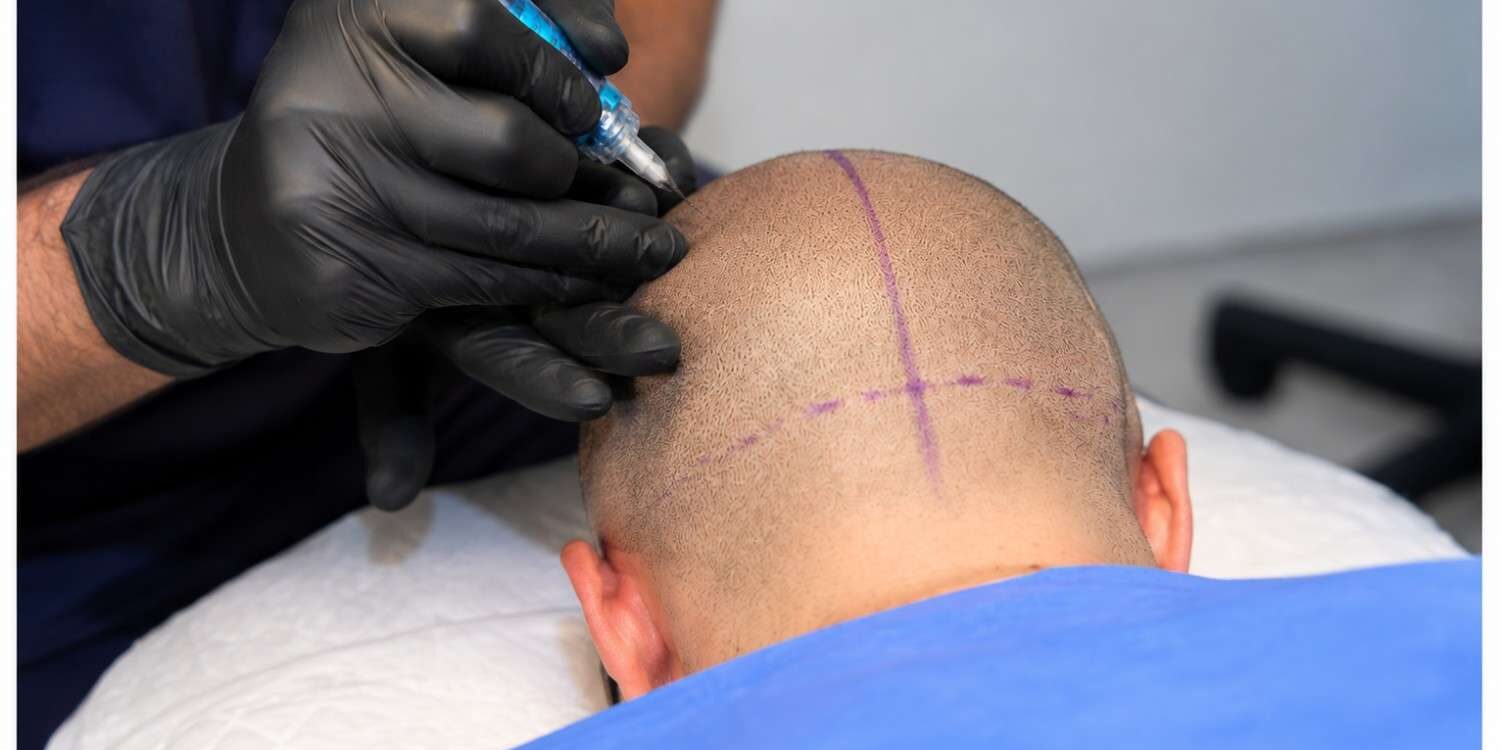
What does SMP mean? SMP stands for scalp micropigmentation, a cosmetic procedure that creates the look of fuller hair by placing tiny pigment deposits on the scalp. Many people choose this treatment to improve the appearance of thinning hair, bald spots, or hair transplant scars. It offers a natural-looking solution without surgery.
At Maxim Hair Restoration – Philippines, patients can learn more about scalp micropigmentation and other hair restoration options. The clinic provides personalized care and advanced treatments to help men and women achieve a fuller and more confident appearance with results that look natural.
What Does SMP Mean in Hair?
When they start looking for ways to improve thinning hair. SMP stands for scalp micropigmentation. It is a non-surgical treatment that uses tiny dots of pigment on the scalp. These dots look like small hair follicles. They help create the look of a fuller head of hair.
People with hair loss often choose SMP because it can improve their appearance without surgery. It works for men and women with thin hair, bald spots, or scars. It can also help people who have already had a hair transplant in the Philippines and want to add more density.
Full Meaning of SMP
SMP means scalp micropigmentation. The treatment uses special pigments and small needles to place tiny dots on the scalp. These dots blend with your natural hair. The result looks like closely shaved hair or thicker hair. SMP is not the same as a regular tattoo. The technique, pigment, and depth are different. The goal is to create a natural look.
What Does a SMP Mean in Hair Restoration?
In hair restoration, SMP means using pigment to make the scalp look fuller.
Doctors and hair specialists use this treatment to help people with:
- Male pattern baldness
- Thin hair
- Receding hairlines
- Alopecia
- Hair transplant scars
- Patchy hair loss
SMP does not grow new hair. Instead, it creates the look of more hair. This is why many people include it in their hair restoration plans.
Why Is the Term SMP Used in Hair Restoration?
Hair specialists use the term SMP because it describes a treatment made for the scalp. The word “micro” means very small. “Pigmentation” means adding color. Together, they describe the process of placing tiny pigment dots into the scalp. SMP has become a common part of modern hair restoration. Some people choose it instead of surgery. Others combine it with a hair transplant in the Philippines to improve hair density.
How Does SMP Make Hair Look Fuller?
Scalp micropigmentation creates an illusion. Small dots are placed in areas with less hair. These dots look like natural hair follicles.
This helps:
- Reduce the look of bald spots
- Make thin hair appear thicker
- Improve the hairline
- Hide scars
- Create a clean shaved-head style
- Increase confidence
Because the dots match your natural hair color, the result can look very realistic.
People Who Can Benefit From SMP
Many people choose scalp micropigmentation in the Philippines because it works for different types of hair loss.
SMP may help:
- Men with male pattern baldness
- Women with thinning hair
- People with alopecia
- Person with scars from surgery
- People who want a non-surgical option
- Patients who had a hair transplant in the Philippines
Why Is SMP Becoming More Popular?
The treatment has become popular because it gives fast results and needs little recovery time.
People like SMP because:
- It does not require surgery.
- Recovery is quick.
- Results look natural.
- It works for men and women.
- It can hide scars.
- Requires little maintenance.
- It can work with other hair treatments.
Many clinics now offer scalp micropigmentation in the Philippines because more people want simple and effective hair loss solutions.
Key Things to Remember About SMP
Here are some important facts about SMP:
- SMP means scalp micropigmentation.
- It is a non-surgical treatment.
- It creates the look of fuller hair.
- Does not make new hair grow.
- It can help hide bald areas and scars.
- It works well with a hair transplant in the Philippines.
- Many people choose scalp micropigmentation in the Philippines because it provides natural-looking results.
Learning what SMP means can help you understand one of the most popular hair restoration options today. Whether you have hair loss, thinning hair, or scars, SMP offers a simple way to improve the appearance of your hair and boost your confidence.
How Does SMP Treatment Work?
When they learn about hair loss treatments. SMP stands for scalp micropigmentation. It is a process that uses tiny pigment dots to create the look of fuller hair. The treatment takes place in several steps. Each step helps create a natural result.
Consultation
The first step is a consultation. During this visit, the specialist checks your scalp and talks about your goals. They ask about your hair loss and your medical history.
The specialist may discuss:
- Your hair type
- Areas with thin hair
- Your desired look
- Previous treatments
- Your hair care routine
This visit helps create a treatment plan that fits your needs.
Designing the Hairline
The next step is creating the hairline. The specialist designs a hairline that matches your age and face shape. A natural hairline helps the results look real.
The design depends on:
- Your facial features
- Natural hair pattern
- Your age
- Your personal style
The goal is to create a hairline that looks balanced and natural.
Pigment Selection
Choosing the right pigment is very important. The specialist picks a color that matches your hair. This helps the tiny dots blend with your natural hair.
Several things affect pigment choice:
- Hair color
- Skin tone
- Hair density
- Personal preference
Treatment Sessions
The treatment is done over several sessions. Most people need two to four visits. Each session adds more pigment and improves the overall look.
During the treatment:
- The scalp is cleaned.
- Tiny dots are placed into the scalp.
- The specialist works on thin areas.
- More density is added over time.
The sessions are spaced apart to allow the scalp to recover. This step-by-step approach helps create a soft and natural appearance.
Healing Period
After each session, the scalp needs time to heal. Mild redness is normal and often goes away within a few days.
During healing, it helps to:
- Keep the scalp clean.
- Follow the aftercare instructions.
- Avoid scratching the scalp.
- Protect the scalp from strong sunlight.
- Continue a healthy hair care routine.
Some people also use a hair grower shampoo as part of their daily hair care routine. While shampoo does not replace SMP, good scalp care helps keep the scalp healthy.
Long-Term Maintenance
SMP results can last for many years. Over time, some people choose touch-up sessions to keep the color fresh.
Long-term care may include:
- Protecting the scalp from the sun
- Following a healthy hair care routine
- Using gentle hair products
- Keeping the scalp clean
- Scheduling touch-up visits when needed
Important Things to Know About the SMP Process
Here are some key points about the treatment:
- The process starts with a consultation.
- A natural hairline is designed before treatment begins.
- Pigments are chosen to match your hair color.
- Most people need several sessions.
- Healing takes only a short time.
- Good aftercare helps maintain results.
- A healthy hair care routine supports scalp health.
- Some people use a hair grower shampoo as part of their daily care.
Who Is a Good Candidate for SMP?
When they start looking for ways to improve hair loss. Scalp micropigmentation, or SMP, is a non-surgical treatment that creates the look of fuller hair. It does not make new hair grow, but it can make thin areas look denser.
SMP works for many people. It can help both men and women with different types of hair loss. It can also help people who want an option that does not involve surgery.
Men
Men are among the most common candidates for SMP. Many men deal with receding hairlines or bald spots as they age. SMP can help create the look of a fuller head of hair.
Men may benefit from SMP if they have:
- Male pattern baldness
- A receding hairline
- Thin hair
- Bald spots
- Scars on the scalp
Some men choose SMP because they do not want surgery. Others use it after a hair transplant to improve hair density.
Women
Women can also benefit from SMP. Hair loss in women often appears as thinning hair instead of complete baldness. SMP helps reduce the contrast between the scalp and the hair.
Women may choose SMP if they have:
- Thin hair
- Hair loss after pregnancy
- Hair loss caused by stress
- Loss linked to aging
- Visible scalp areas
Some women also take vitamins for hair loss as part of their daily care. While vitamins may support healthy hair, SMP focuses on improving the appearance of thinning areas.
Older Adults
Older adults are good candidates for SMP. Hair naturally becomes thinner with age. Some people lose hair slowly over time, while others develop bald spots.
SMP can help older adults by:
- Creating a fuller look
- Improving the hairline
- Hiding thin areas
- Boosting confidence
The treatment does not require surgery, so many older adults find it to be a simple option.
People With Previous Hair Transplants
People who have already had hair restoration surgery may also benefit from SMP. Some patients use SMP to improve the appearance of areas that still look thin.
SMP can help:
- Add the look of more density
- Blend transplanted hair with natural hair
- Hide scars from surgery
- Improve the hairline
Many people compare SMP with surgery because hair transplant cost can be high. Some patients choose SMP alone, while others combine it with a hair transplant for better results.
People Looking for Non-Surgical Options
Not everyone wants surgery. Some people prefer a treatment with less downtime and fewer steps. SMP offers a simple option for people who want natural-looking results without an operation.
People may choose SMP because:
- It does not involve surgery.
- Recovery time is short.
- Results can last for years.
- There is little maintenance.
- It works for many types of hair loss.
Signs That You May Be a Good Candidate
You may be a good candidate for SMP if you:
- Have thinning hair
- Have bald spots
- A receding hairline
- Want a non-surgical option
- Want to improve the look of hair transplant scars
- Long-lasting results
- Prefer a treatment with little recovery time
Important Things to Remember
People who ask what a SMP means in hair often want to know who can benefit from the treatment. SMP works well for many people, but the best results come from a personal consultation with a trained specialist.
Here are some key points to remember:
- Men and women can benefit from SMP.
- Older adults are often good candidates.
- People with previous hair transplants may improve hair density with SMP.
- Those who want to avoid surgery may choose SMP.
- Vitamins for hair loss may support healthy hair, but they do not replace SMP.
- Hair transplant costs can vary, so some people choose SMP as an alternative.
Restore Your Confidence With Expert SMP Solutions
If you are still wondering what SMP means, the team at Maxim Hair Restoration – Philippines is here to help. Scalp micropigmentation can create the look of fuller hair and improve your confidence without surgery. Our experienced specialists provide personalized care and natural-looking results based on your needs and goals. Whether you have thinning hair, bald spots, or hair transplant scars, we can guide you through your options. Contact us today to schedule a consultation and learn how SMP can help you achieve a fuller and more natural appearance.
FAQs
What does SMP mean in hair restoration?
SMP stands for scalp micropigmentation. It is a non-surgical treatment that uses tiny pigment dots to create the look of fuller hair. It can help improve the appearance of thinning hair, bald spots, and hair transplant scars.
What does a SMP mean in hair?
What does a SMP mean in hair? It means scalp micropigmentation. This treatment creates the look of natural hair follicles on the scalp. It does not grow new hair, but it can make hair appear thicker and denser.
How long do SMP results last?
SMP results can last for several years. The exact length depends on skin type, sun exposure, and aftercare. Some people choose touch-up sessions to keep the color looking fresh and natural.
Is SMP painful?
Most people feel only mild discomfort during the procedure. Many describe the feeling as small pinches. The treatment is less painful than many surgical procedures, and recovery time is usually short.
Can SMP replace a hair transplant?
SMP does not replace a hair transplant because it does not grow new hair. However, it can improve the appearance of hair loss and may be used alone or together with hair transplant procedures for better-looking results.